Our South Shields Project
What was this project about?
Our South Shields was a creative heritage and wellbeing project exploring the everyday histories, migration stories and cultural identity of South Shields communities — particularly South Asian and other global majority communities whose stories are often underrepresented in heritage spaces.
The project focused especially on supporting people affected by dementia, using creative activity, heritage and shared storytelling to support wellbeing, identity and connection.
South Shields has long been home to diverse communities, including Bangladeshi families who settled in the area in the 1950s and Yemeni communities present since the early 20th century. The project helped bring these lived histories into heritage spaces and public storytelling.
The work also explored how everyday experiences — including food, family life, work and migration — help shape identity and belonging across generations.
How the project worked
The project was built around collaboration between communities, artists, researchers and heritage professionals. Activities included creative workshops, storytelling, movement and performance, and heritage exploration.
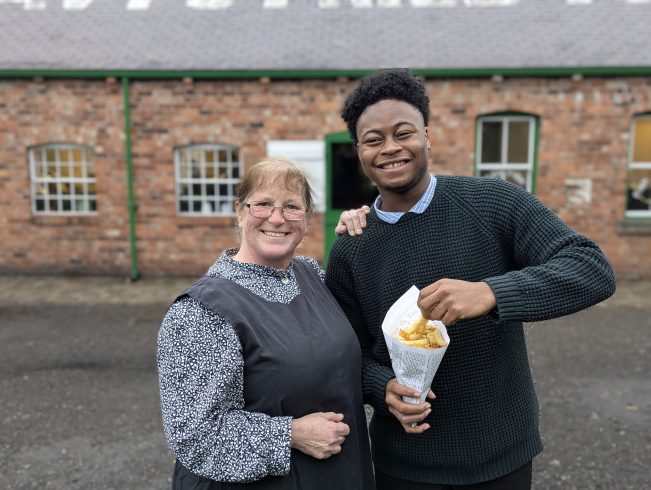
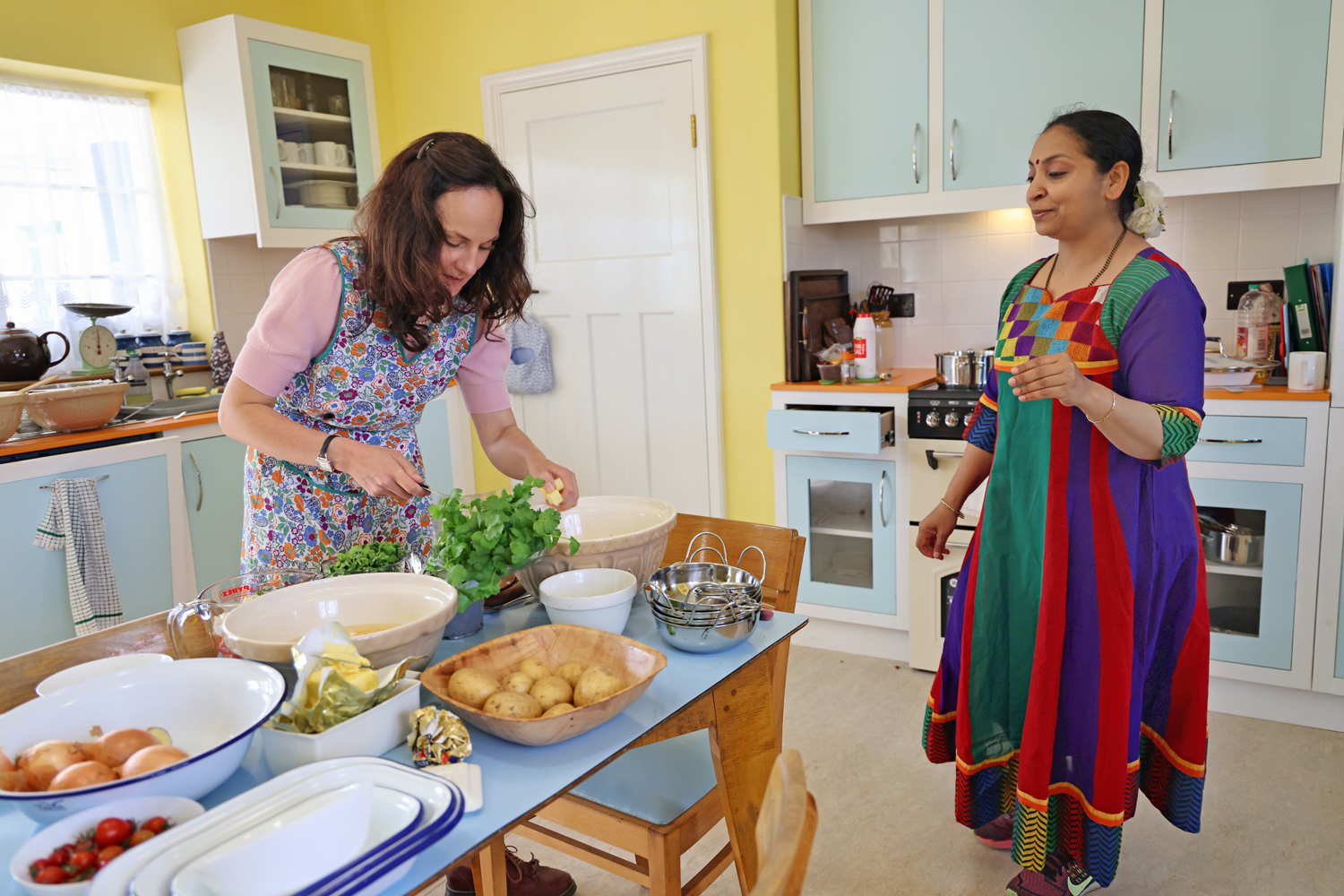
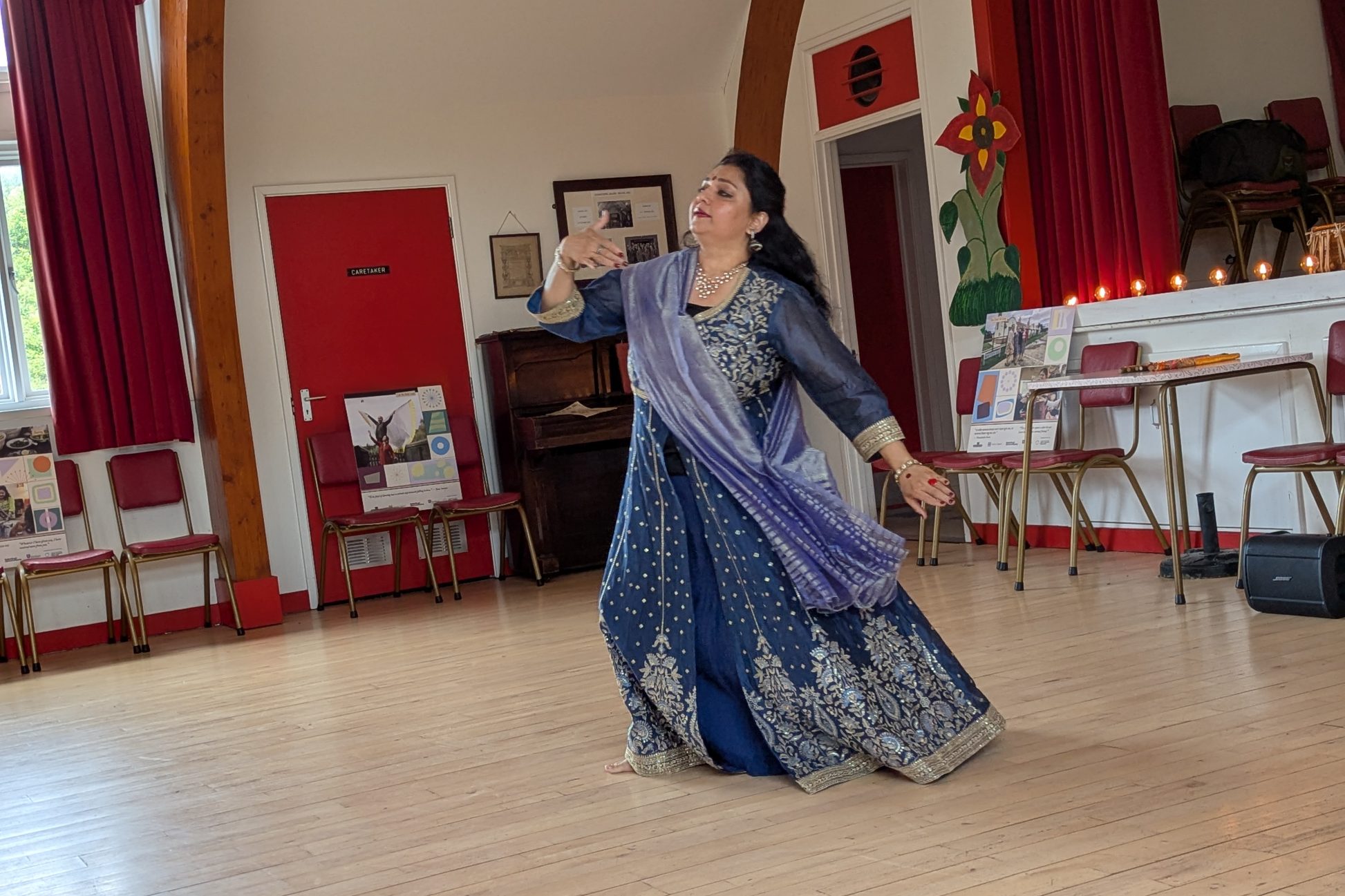
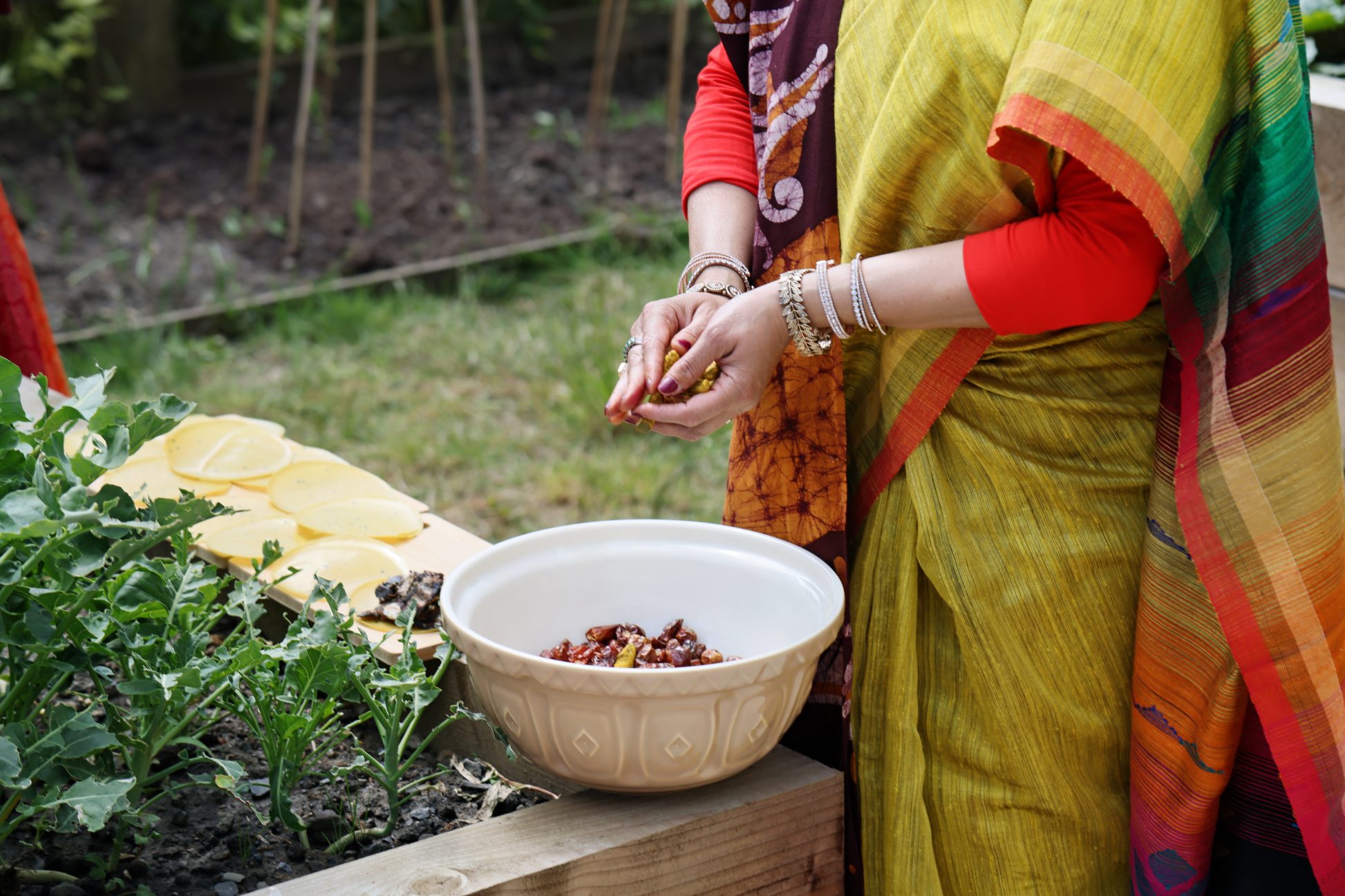
Food, art, dance and storytelling were all used as ways to share culture and lived experience, reflecting how heritage is carried through daily life, family traditions and community memory.
The project also contributed to wider research exploring health inequalities and the importance of culturally responsive, non-clinical approaches to supporting wellbeing in communities.
Partners
- Beamish Museum Health and Wellbeing Team
- Wolfson Research Institute for Health and Wellbeing, Durham University
- Balbir Singh Dance Company
- Local South Shields communities
Funding
- Historic England — Everyday Heritage Programme


Outcomes and Impact
The project helped:
- Bring overlooked working-class and migration histories into heritage spaces
- Support wellbeing through creative, culturally relevant activity
- Strengthen community voice and representation in heritage storytelling
- Demonstrate how arts and heritage can support health and wellbeing outside clinical settings
More information
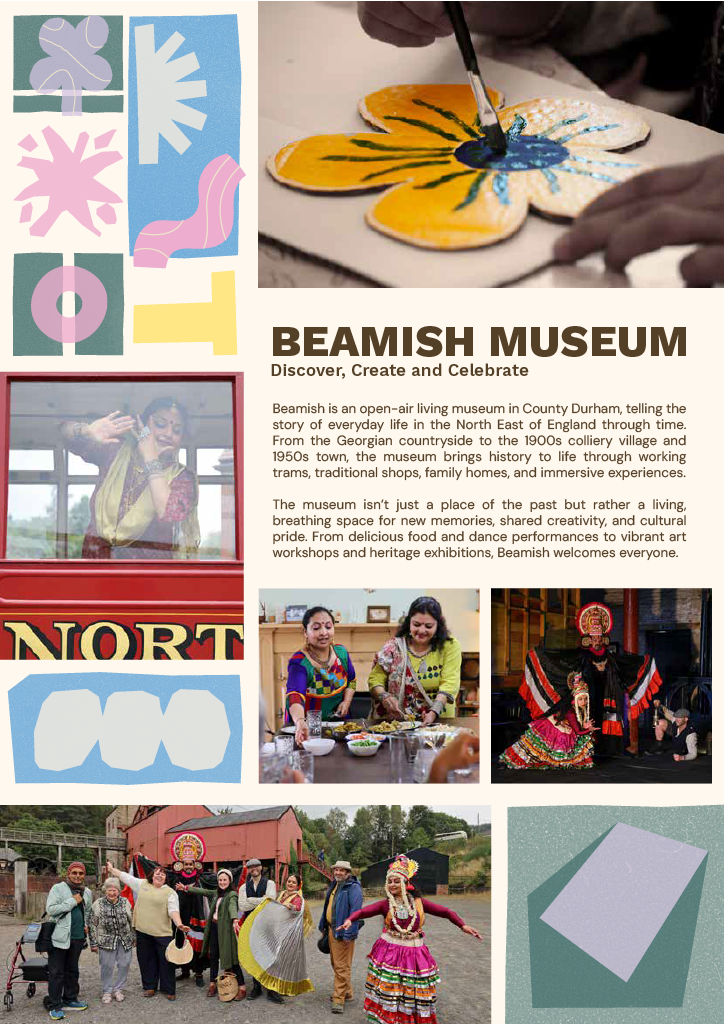
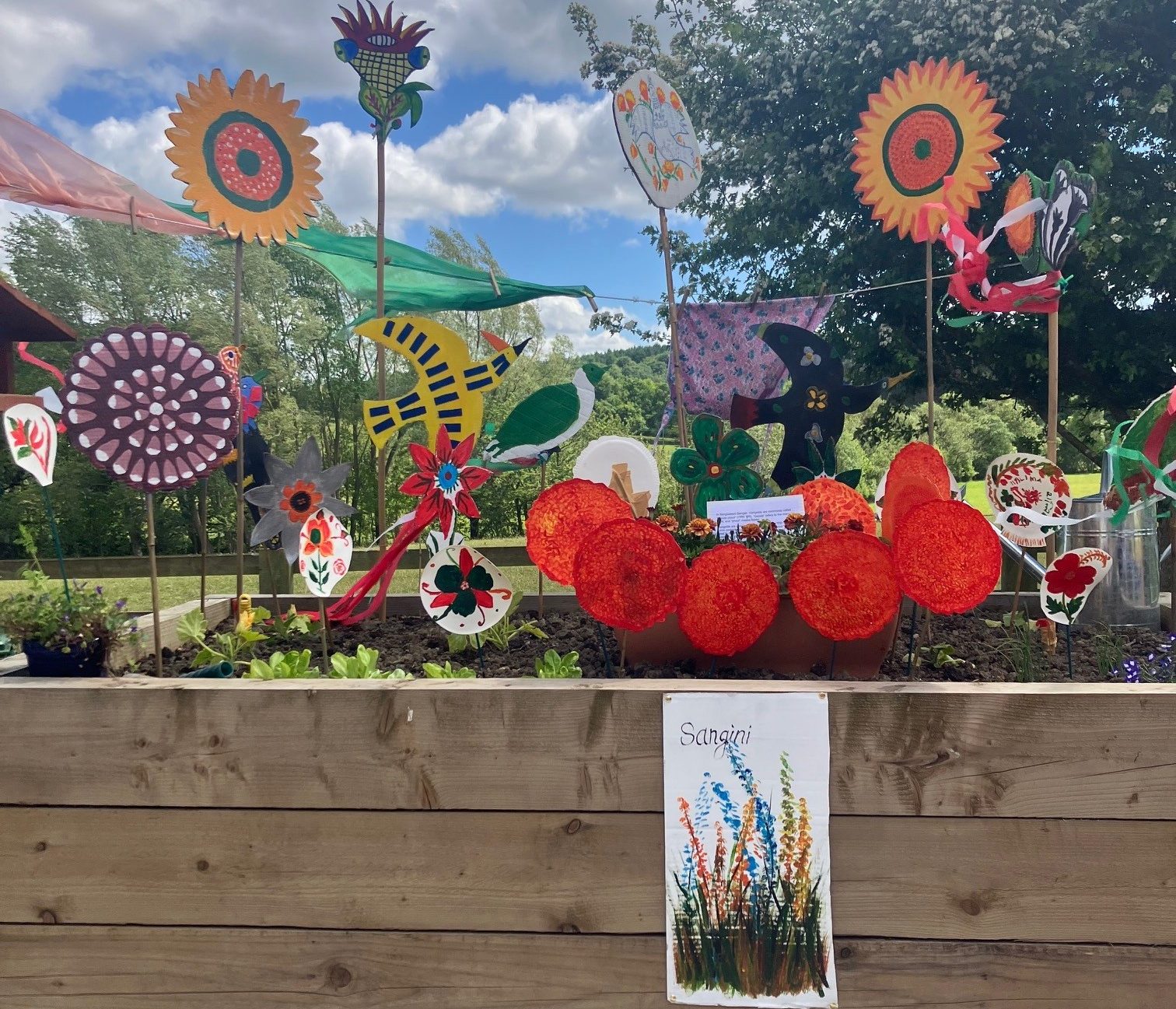
From interactive flower painting and creative movement workshops to live dance performances, Beamish Museum creates space for creativity rooted in lived experience.
You might be interested in…
Clay Connections
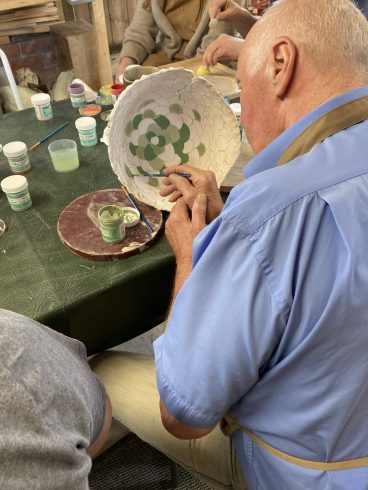
Clay Connections was a co-creative research project exploring how pottery, craft and shared making can support wellbeing, confidence and social connection.
Framing It Differently
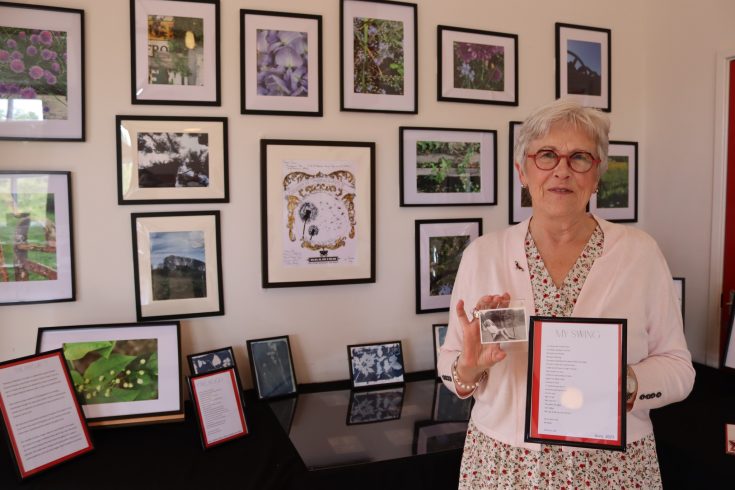
Framing It Differently was part of the national ENLIVEN research programme, which explored how outdoor environments and nature-based experiences can support the wellbeing, independence and social connection of older people living with dementia or cognitive impairment.
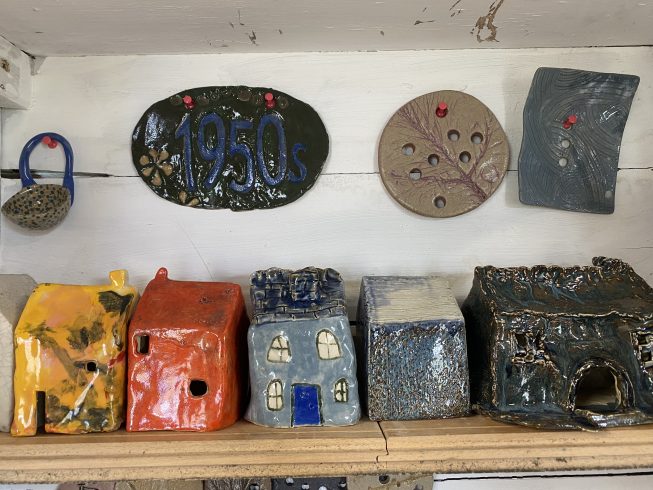
Folk Art Pilot
The Folk Art Pilot explored less widely practised heritage skills and creative techniques, including glass art, silk painting, body ware and other traditional craft forms that are not always widely available or easily accessible in community settings.