Transport
Re-creating the experience and atmosphere of tramway operation from an earlier generation.
Highlights
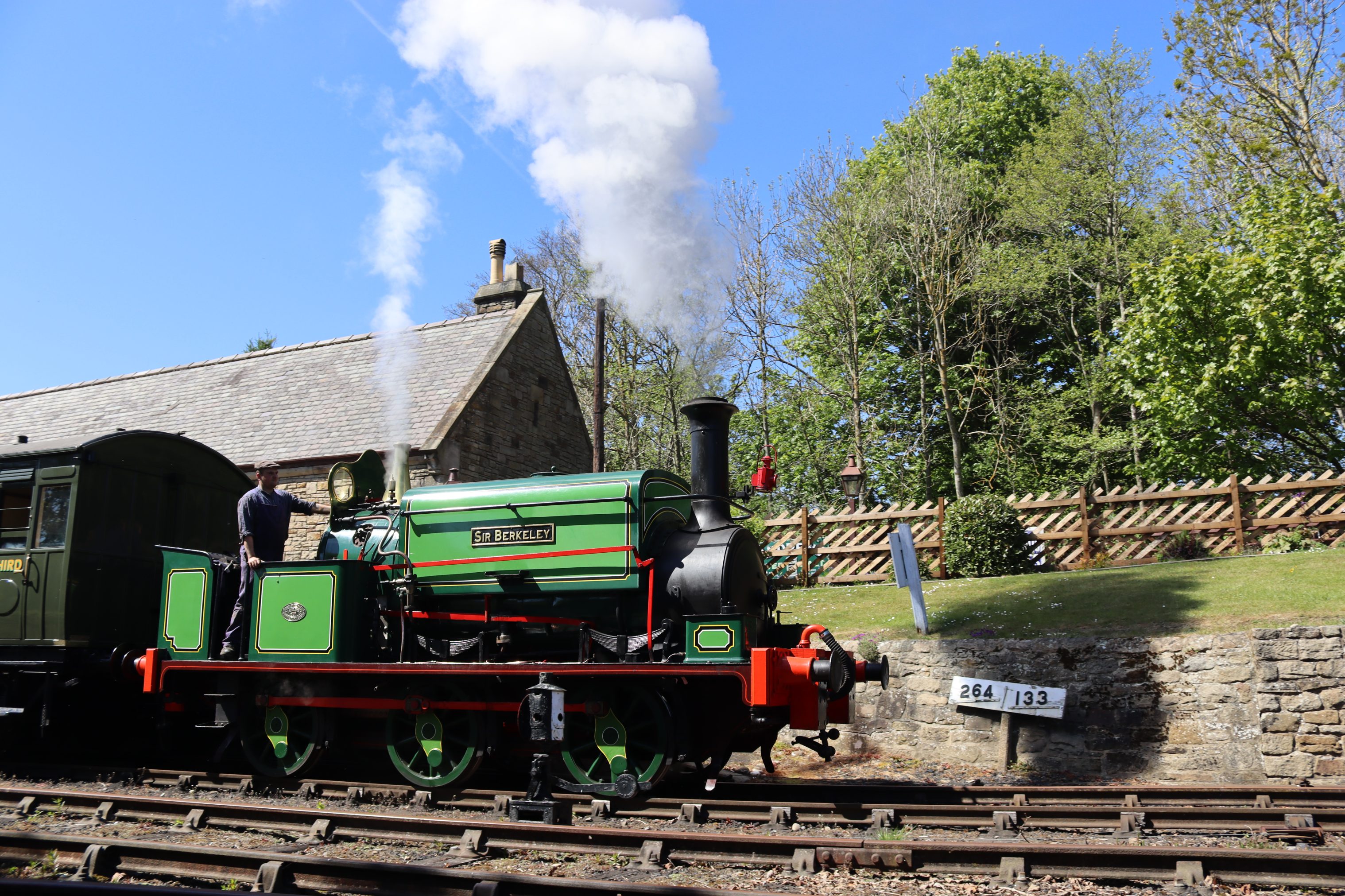
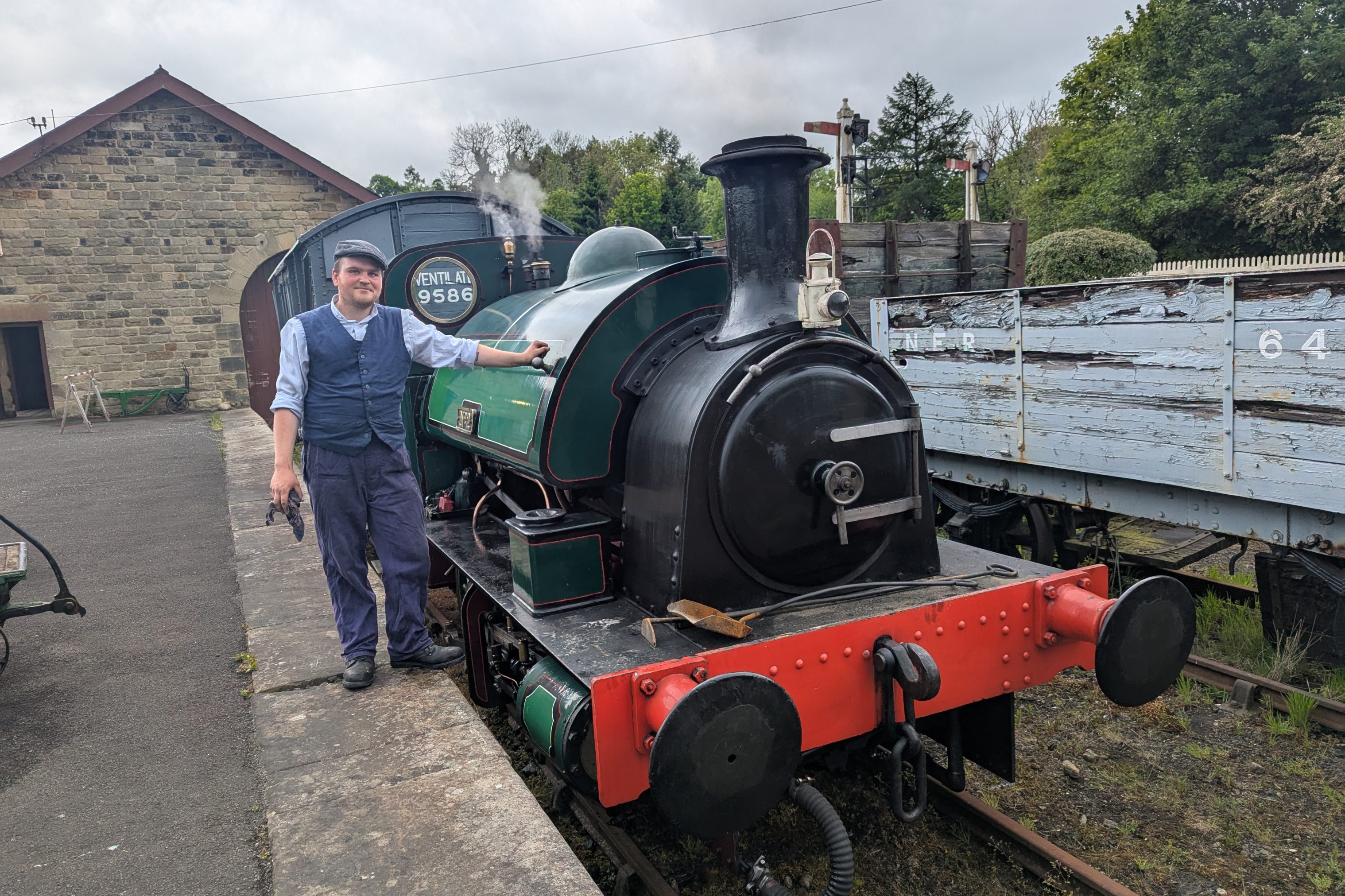
Locomotives
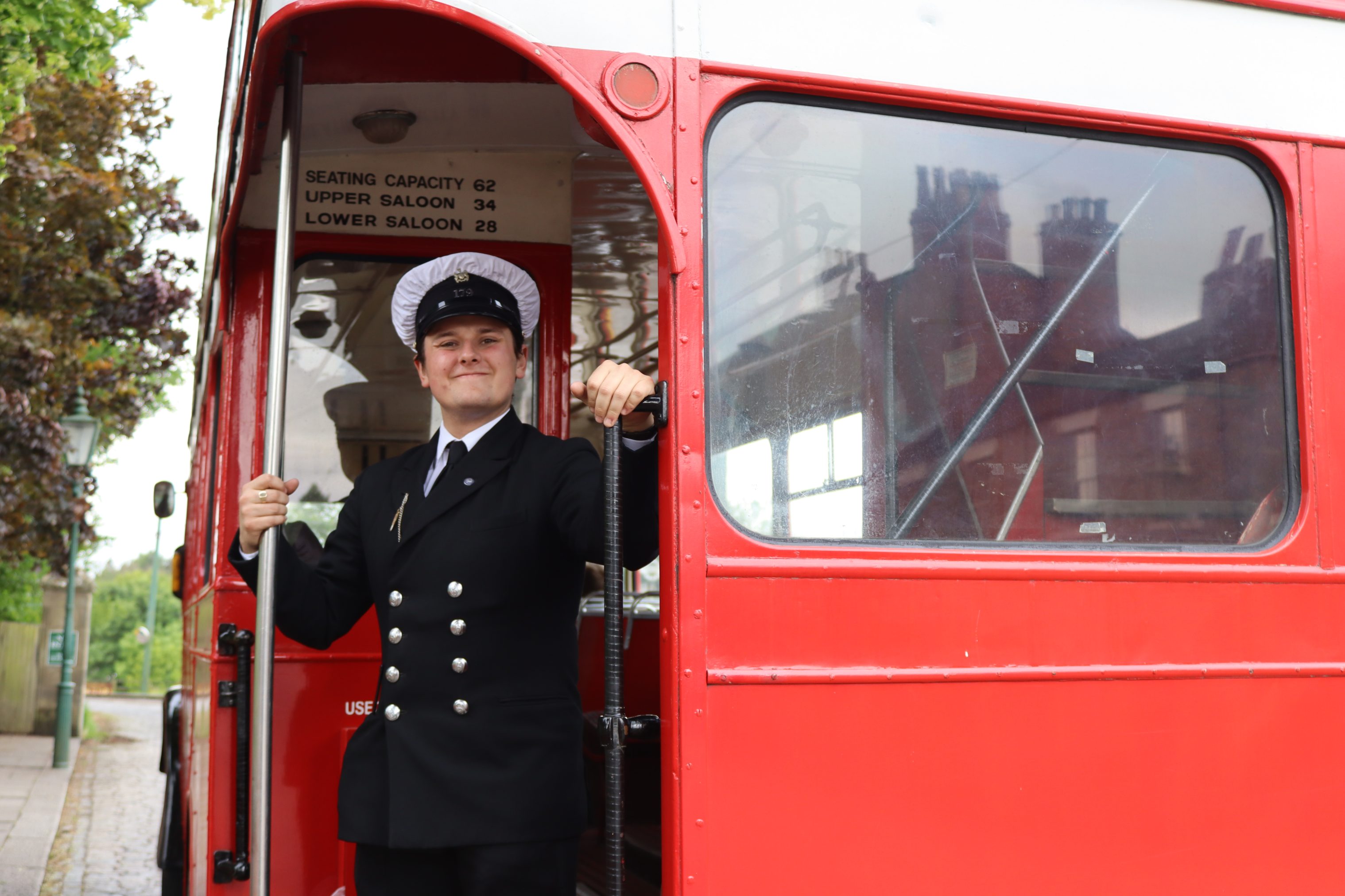
Buses
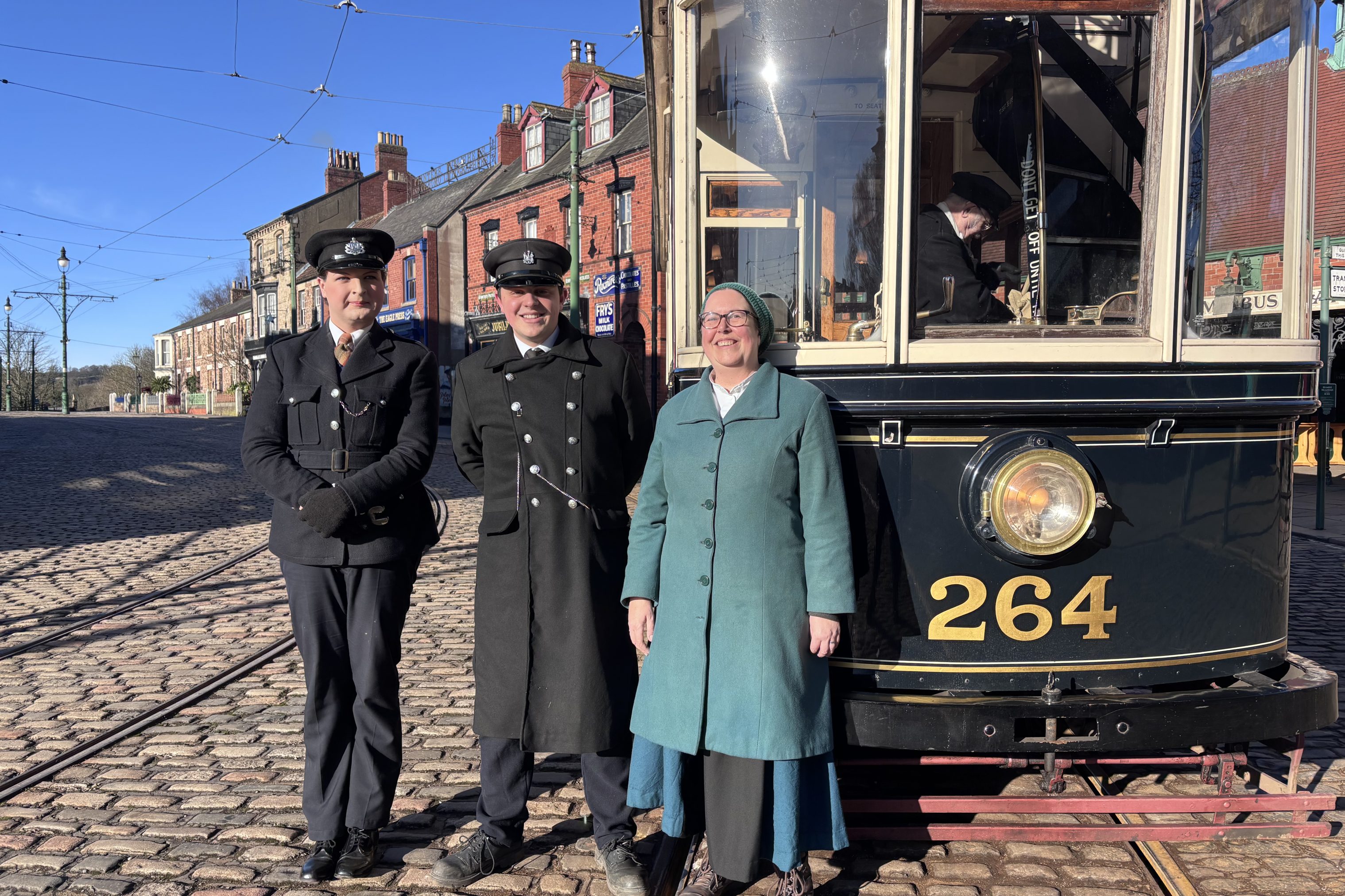
Tramcars
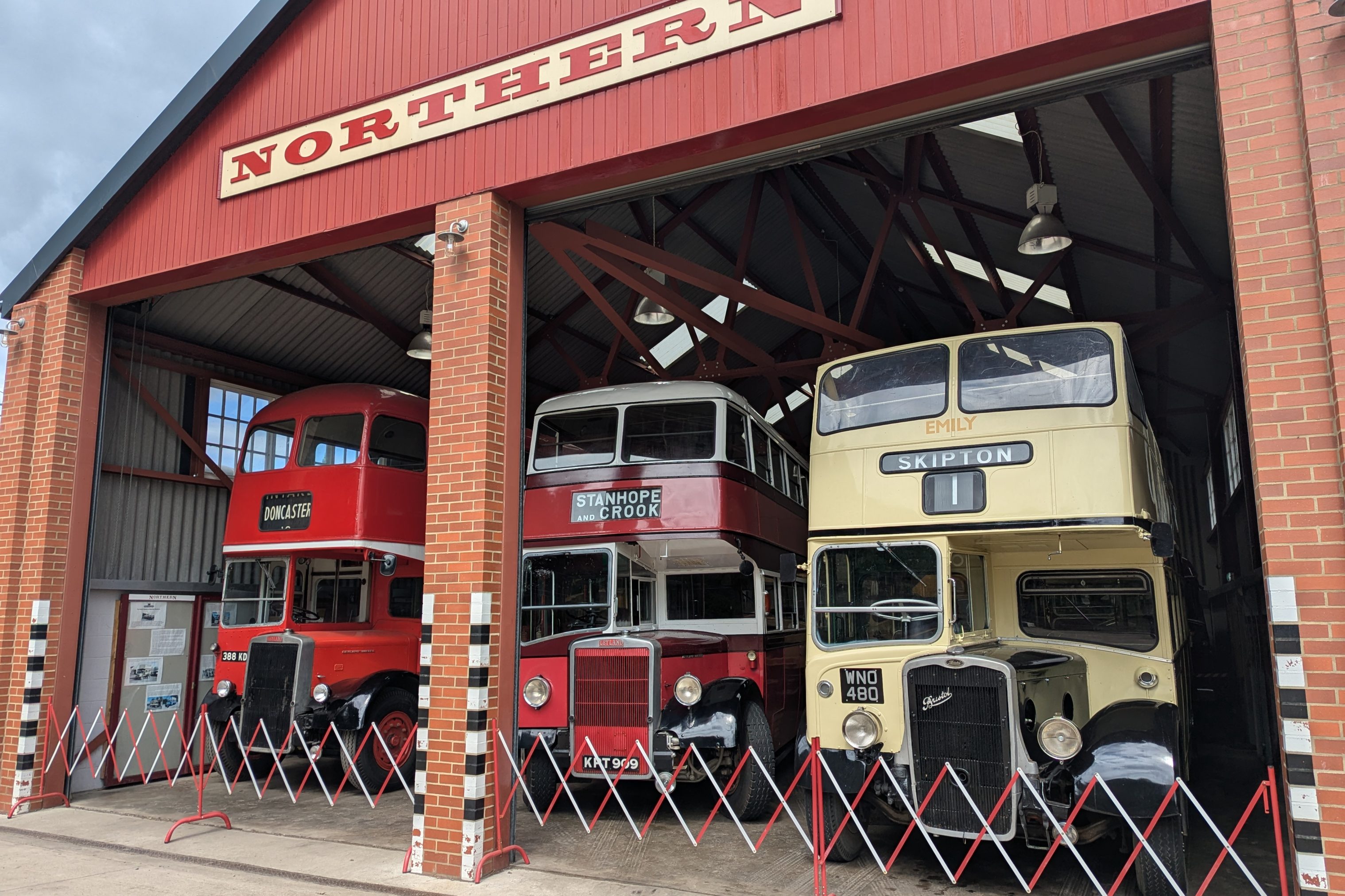
Northern General Transport Bus Depot
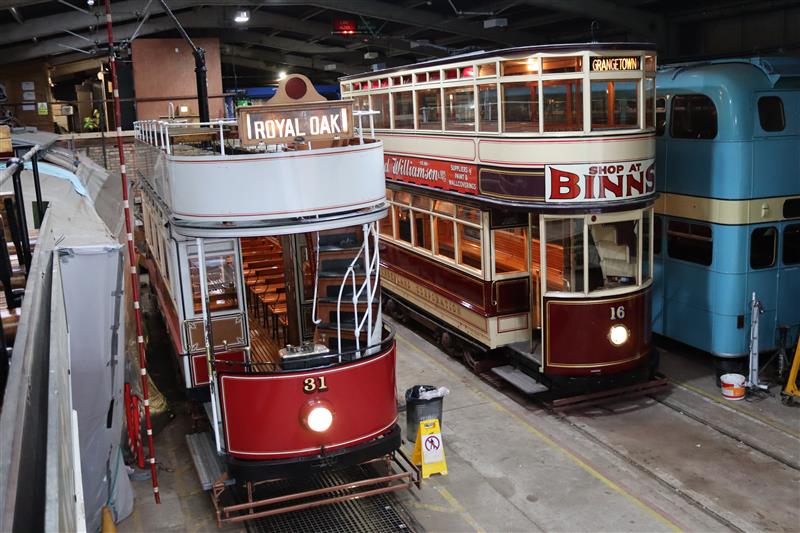
The Tram Depot
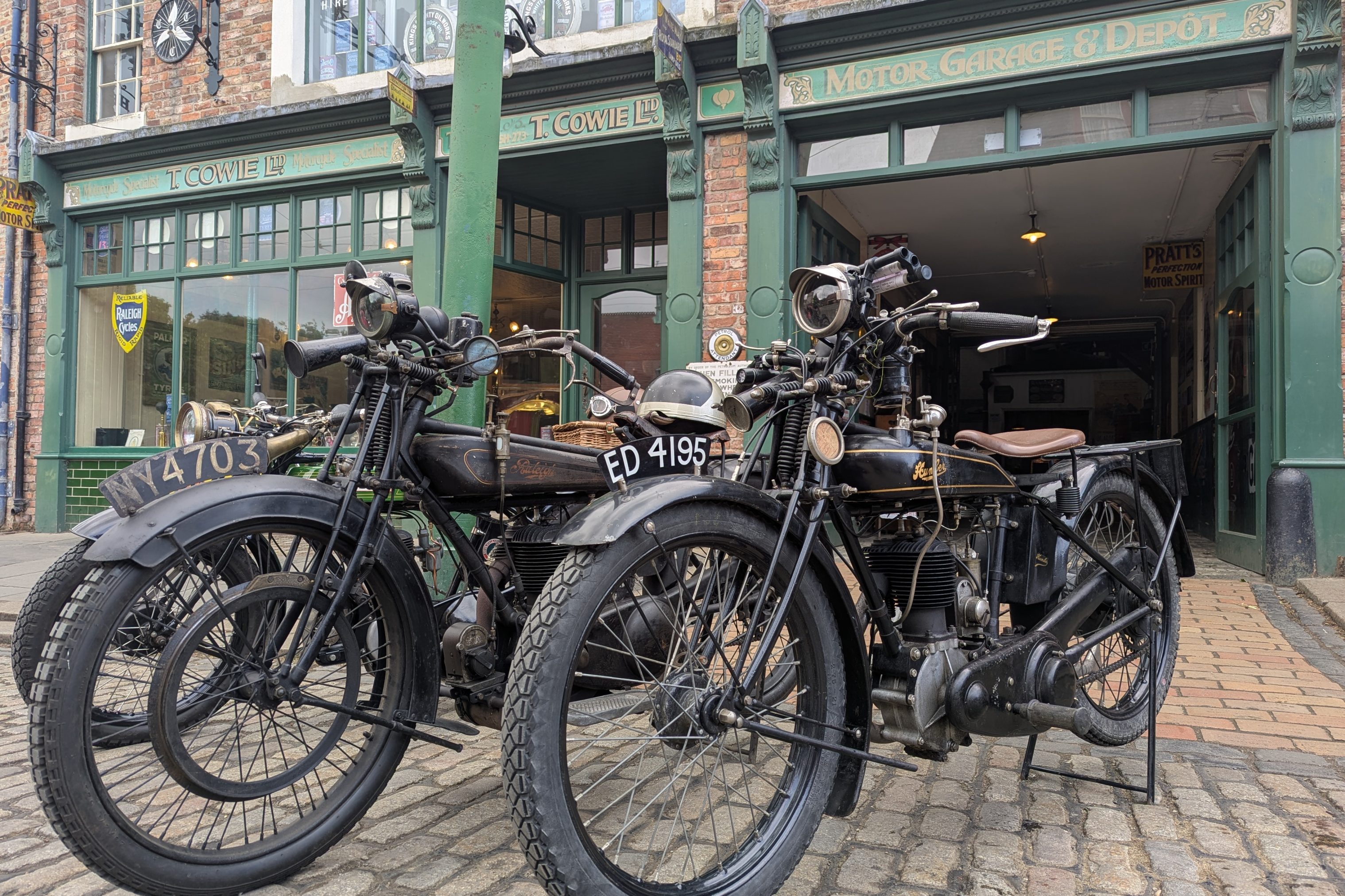
Motorcycles
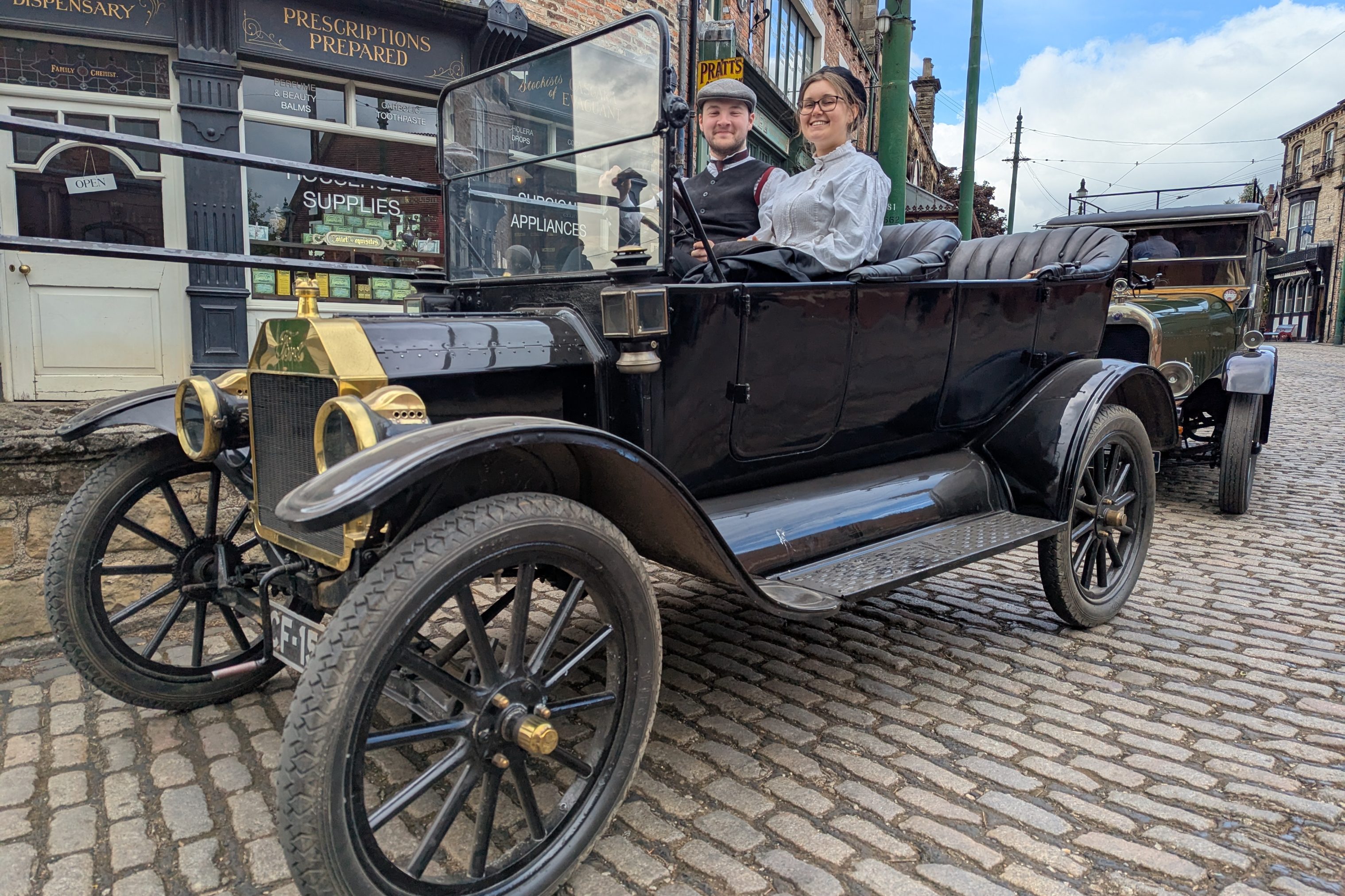
Cars
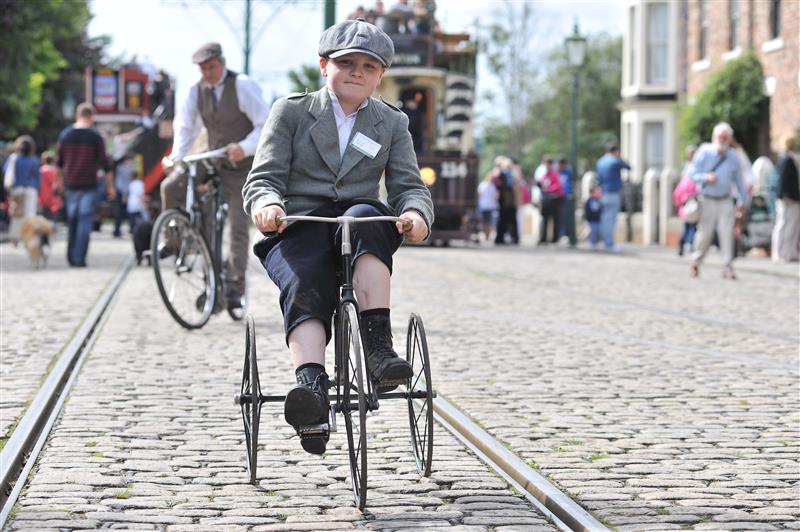
Cycles
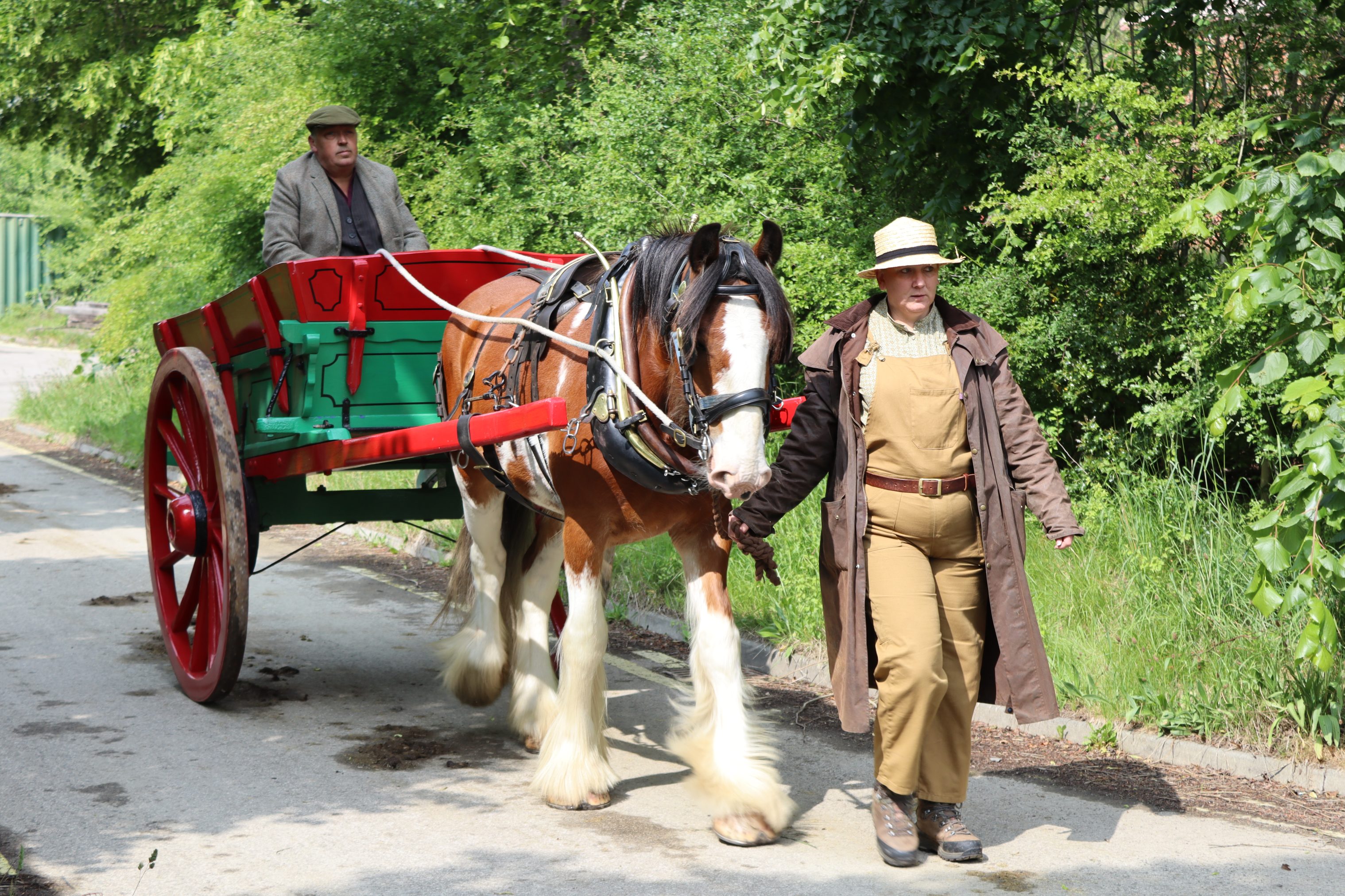
Horse Drawn
Need help planning your day?
-
 10am
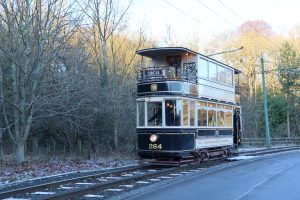
10amBus/Tram ride circuit
Jump on a bus/tram and enjoy an entire circuit of Beamish Museum.
-
 11am
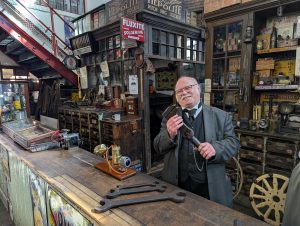
11amBeamish Motor & Cycle Works, The 1900s Town
See cars, motorcycles and bikes from our collection at the Beamish Motor & Cycle Works.
-
 1pm
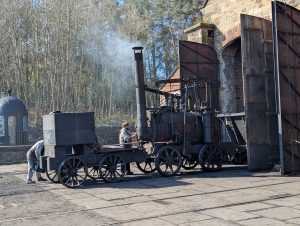
1pm1820s Waggonway
Visit our Georgian Waggonway and discover the story of the birth of the railways.
-
 3pm
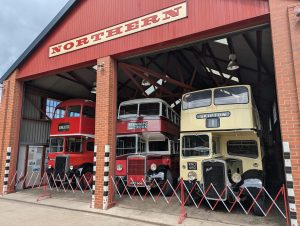
3pmThe Northern General Transport Bus Depot
The exhibit can accommodate up to eight buses and supports Beamish’s important work of passing on heritage engineering skills.
Beamish Tramway
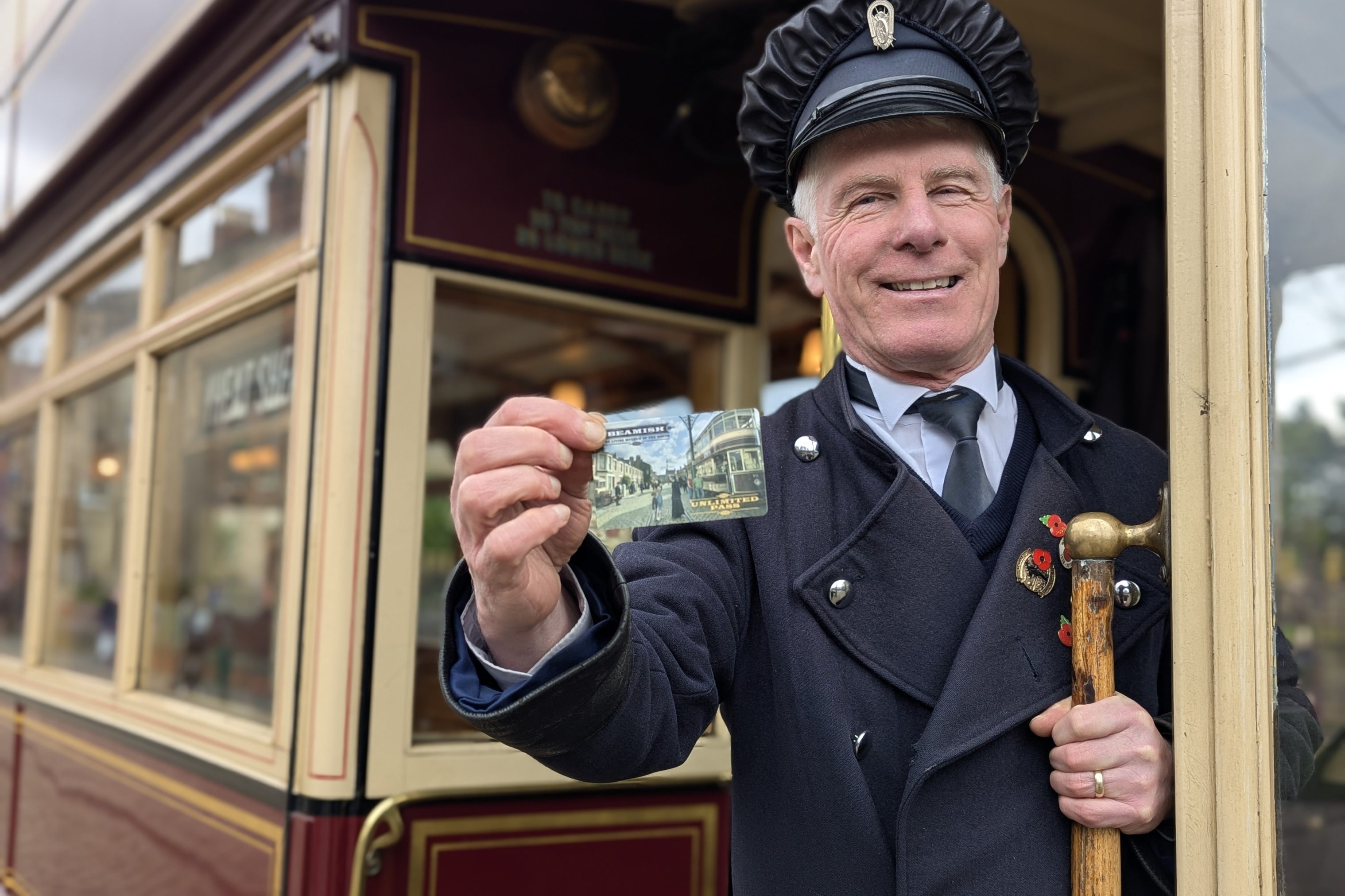
Our trams and vintage buses are operating throughout the day on a circular route around the museum, calling at the Entrance, Pockerley, 1900s Town and Foulbridge.
Beamish Tramway, opened in 1973, serves to re-create the experience and atmosphere of tramway operation of an earlier generation, whilst providing an essential means of transport for visitors around the site.
Tram and bus route
The original 1973 route comprised a single track from the Depot at Foulbridge to the boundary of the Town site. This was extended into the growing Town in 1975, and then extended beyond Foulbridge to the new Visitor Entrance in 1988, bringing the route to a mile in length, with passing loops at all three stops.
Then in 1993 a major extension completed the circle from Town via Pockerley (with a further passing loop), up a steep gradient through Birch Wood, back to the Visitor Entrance, this completing Route 1. Route 2 serves the Colliery (Pit Hill) and is operated by replica buses from the Edwardian period.
The Overhead Line and Power Supply
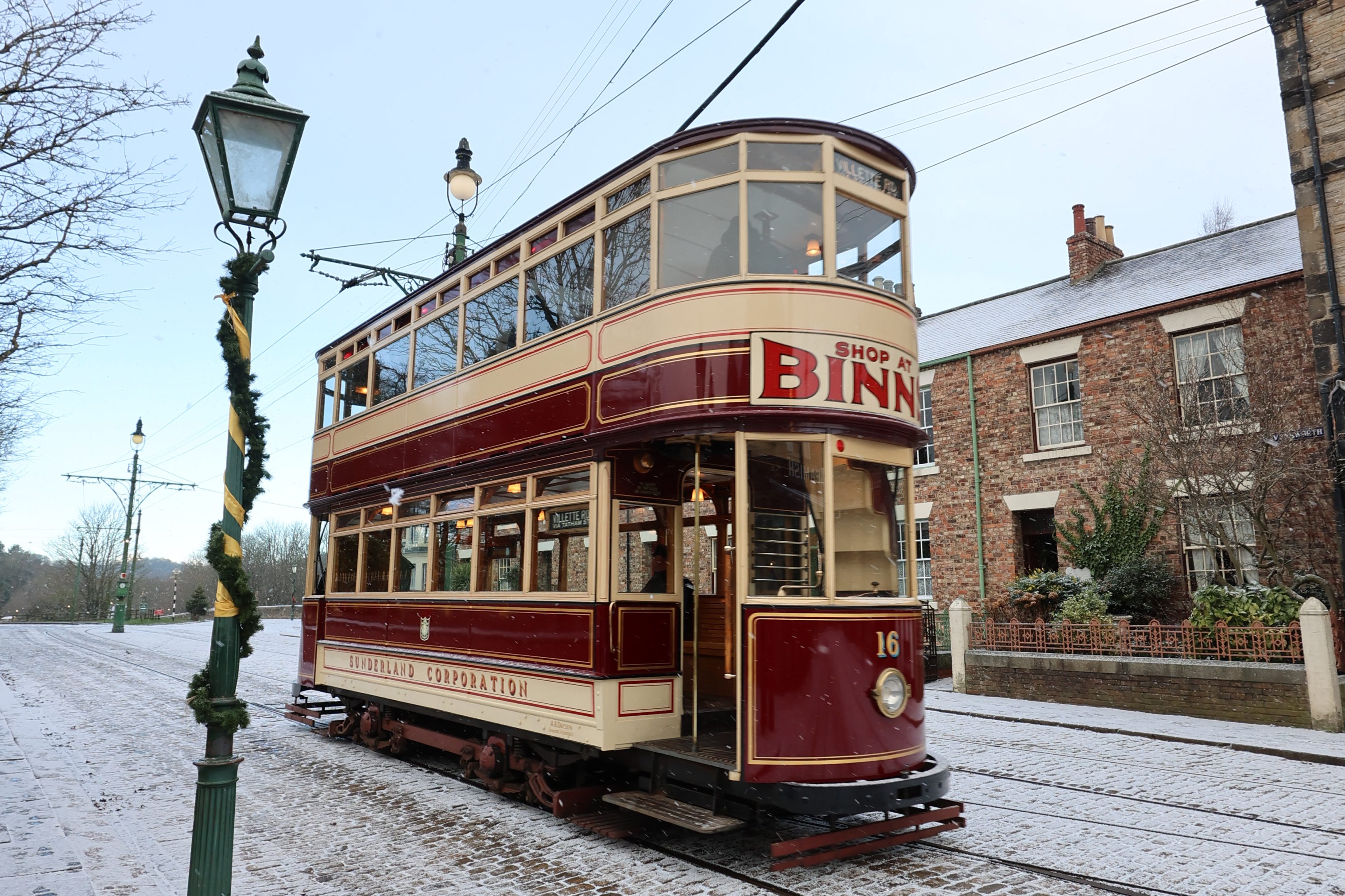
The distinctive poles supporting the overhead have all been recovered from former tram and trolleybus systems, in many cases restored to their original length by specialist welding. They are set in concrete to a depth of about 2 metres.
The trolley wire is grooved copper alloy, 4/0 gauge (80 sq. mm), suspended either from bracket arms or on span-wire construction, at a normal height of 6 metres. A second (negative) wire is provided in the Depot area, for safety earthing purposes, and for test-running the trolleybus. The trams are all fitted with trolley poles and carbon-slipper trolley heads, and return their traction current via the running rails.
Overhead fittings have been salvaged from the Newcastle, South Shields, Tees-side and Bradford systems, and in the Town area period fittings have been used wherever practicable. Trams use a single wire with the negative route via the rails, whilst trolleybuses use a pair of wires, the negative being one of this pair.
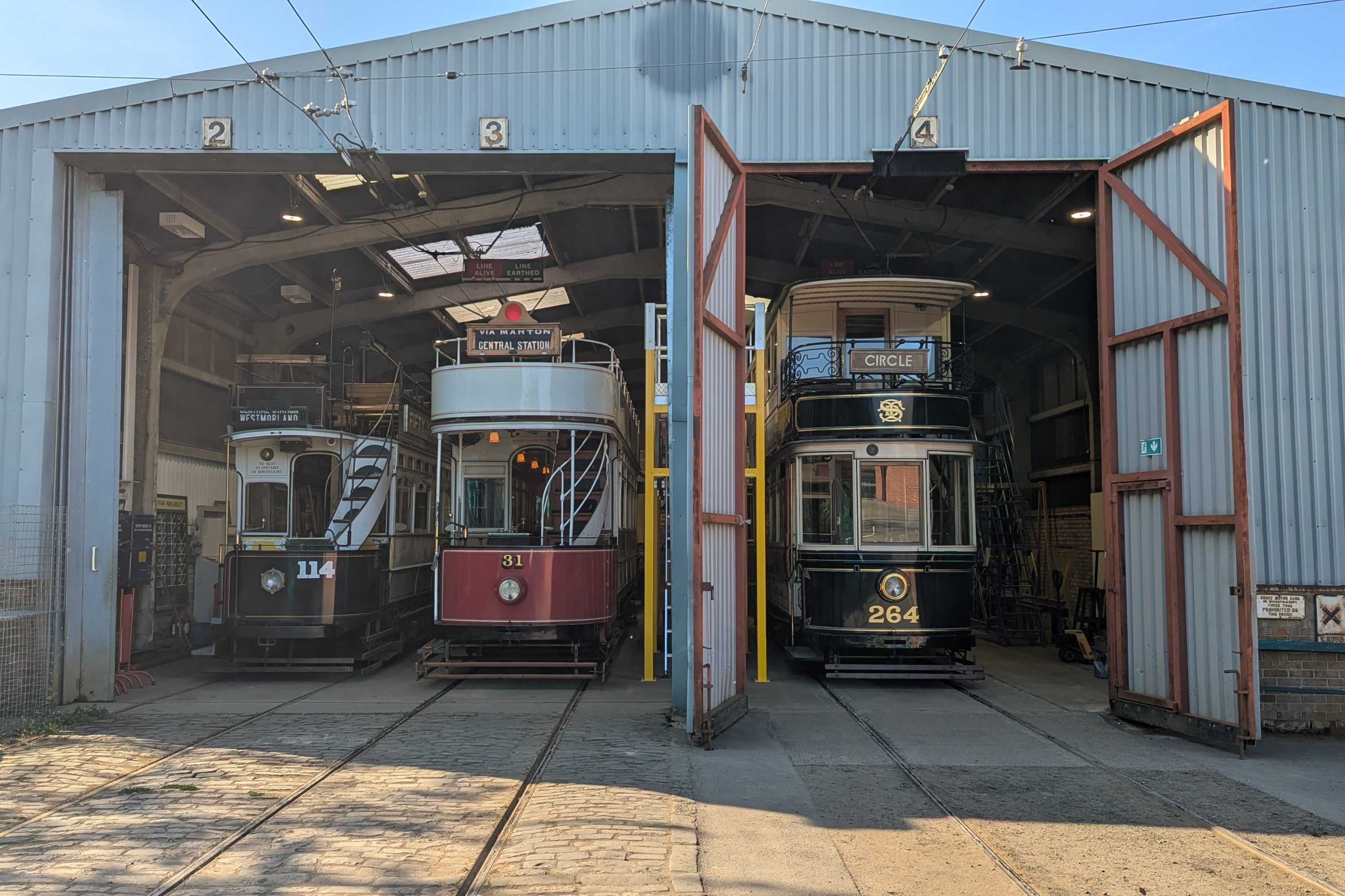
The Tram Depot
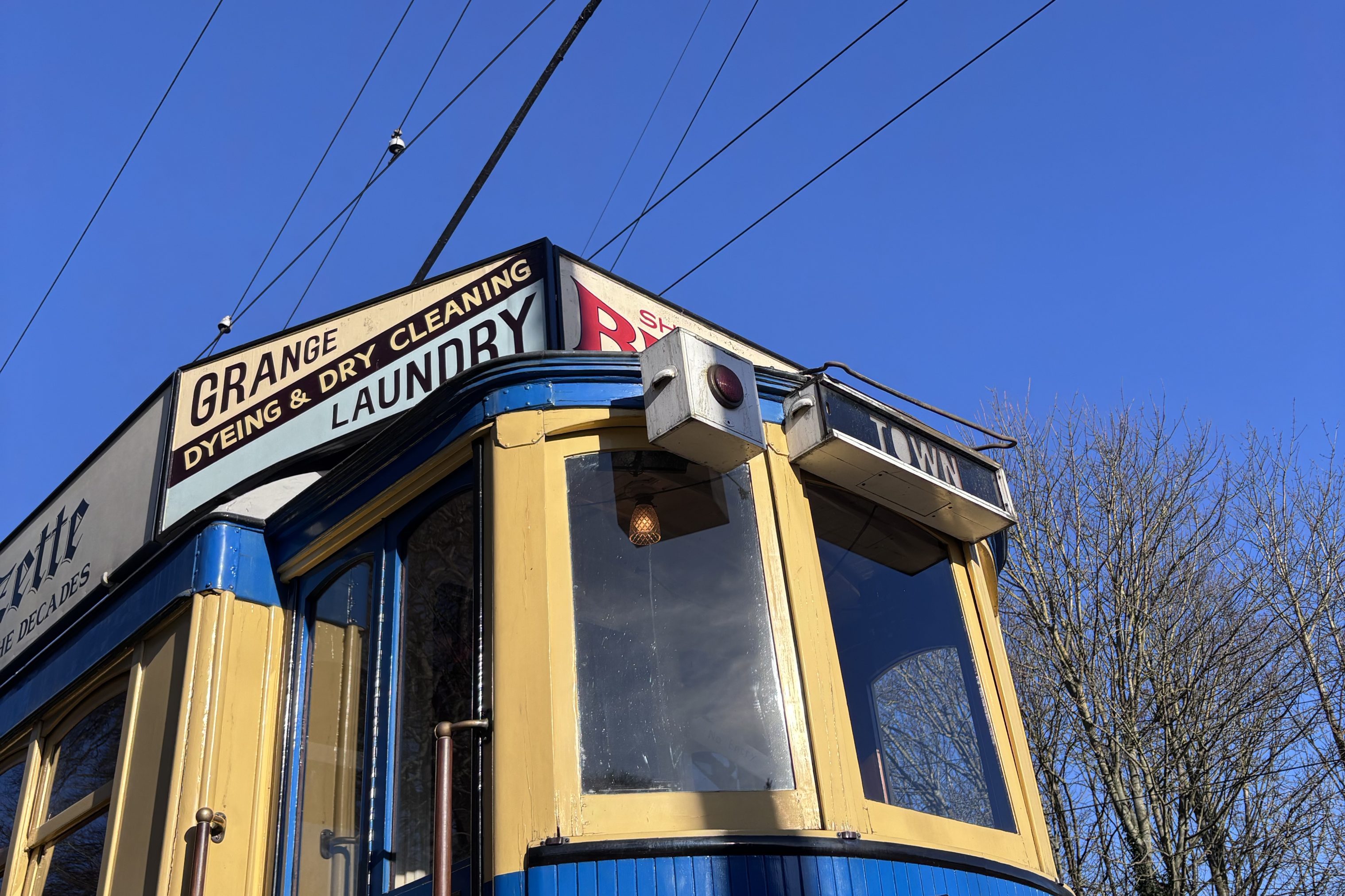
The Depot is located within the Foulbridge workshop complex and includes accommodation for our trams on four roads (1, 2 3 and 4). Road 3 is equipped with an inspection and service pit.
Mechanical and Electrical workshops and Stores provide the facilities for routine maintenance, repairs, overhauls and complete restoration work, not only on the vehicles but also on the track, power supply and overhead line system. Although much of the work on the trams is carried out on site, some specialist work such as traction motor overhauls and wheel re-profiling is undertaken off site by local contractors.
Northern General Transport Bus Depot
The Northern General Transport Bus Depot enhances the rich and diverse stories we tell regarding the history of transport in the region.
The exhibit can accommodate up to eight buses and supports work passing on heritage engineering skills.
The Fleet
The operating fleet usually consists of between four and six trams, with others in store or undergoing heavy maintenance. The fleet is now being put into an approximate 7-8 year cycle which sees their intensive maintenance followed by a body lift to allow the motors to be overhauled.
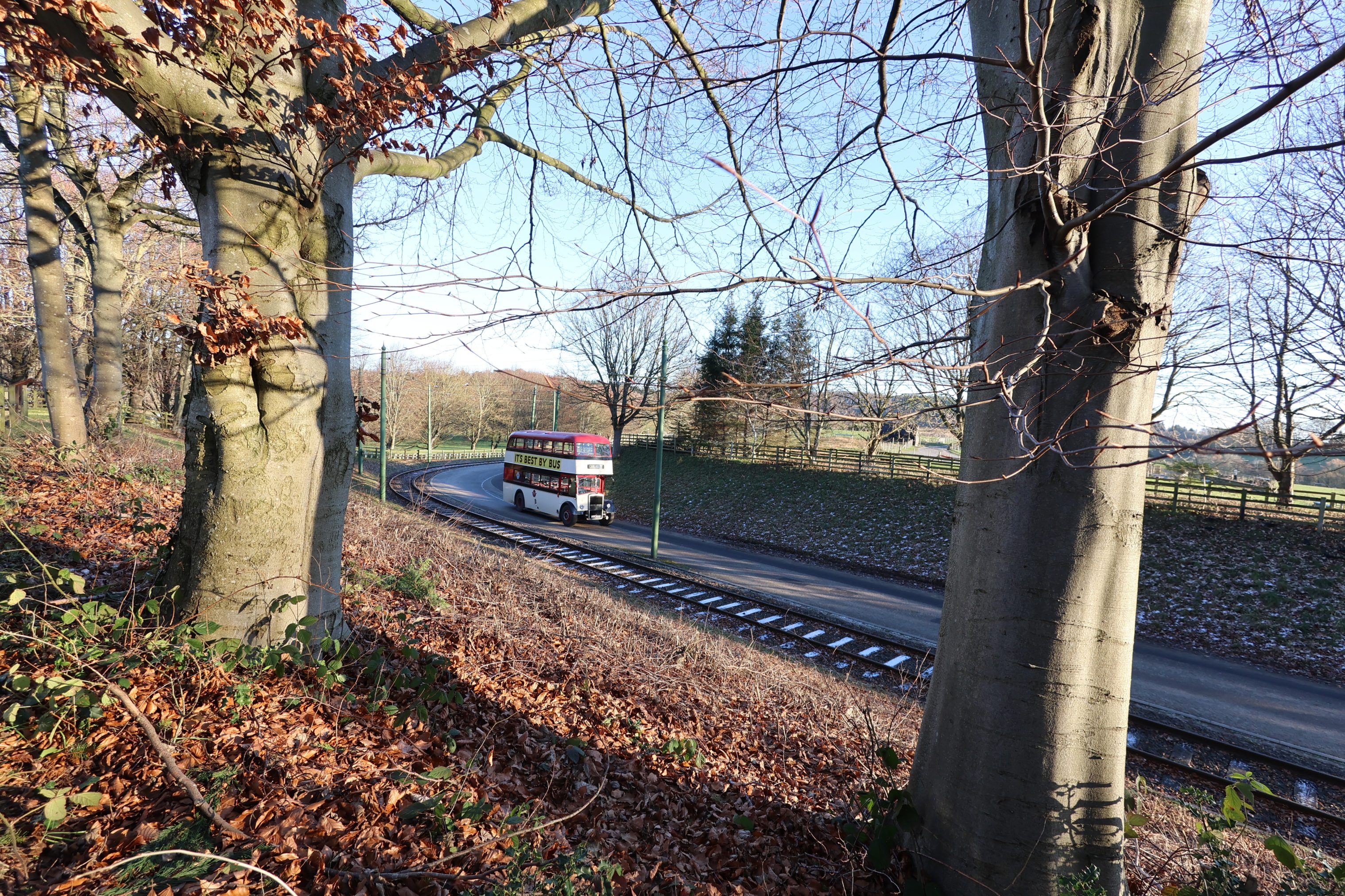
There are two Edwardian replica buses based on the London B type (in Newcastle Corporation livery) and a Northern General Daimler. A 2007 built bus and adapted 1932 Leyland Cub provides wheelchair access.
Access
To create an authentic feel, there are a variety of ground surfaces, some of which are uneven by nature. There are steep slopes in places, and some buildings and exhibits have stepped access.
Period buses and trams operate around the site every 20 minutes (approx.). The steps onto the trams and buses are very steep. There are stops near every area. Our historic vehicles can store folded wheelchairs and folded pushchairs although space is limited.
The museum has two easy access buses with tail lifts. These buses can securely carry wheelchairs. Please note that these buses are not able to securely anchor and transport motorised scooters.
A weight restriction of 250kg also applies to the use of the lift on J2007, a weight restriction of 400kg applies to the tail lift on Crosville No.716. We apologise for any inconvenience this may cause.
Find out more on our Transport Blog
Transport Blog
Armstrong Whitworth Overhauls
Discover progress on our two Armstrong Whitworth projects.
- 19 February 2026
Transport Blog
Transport & Engineering Diary 2026 February Part 1
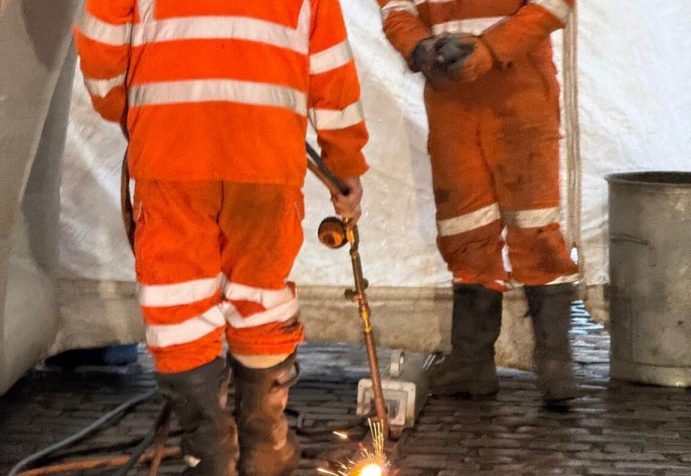
Discover the latest on Samson’s overhaul and some of the considerable work taking place on the Tramway infrastructure this winter.
- 10 February 2026
Event
Festival of Transport 2026
Festival of Transport
Saturday, 23rd to Sunday, 31st May 2026Throughout the event the museum’s restored trams will be operating on the 1.5 mile tramway, and a wide variety of historic buses will provide a supporting cast as they assist visitors in moving around the site. Additional visiting buses will be operating throughout.