Transport Blog
A new passenger coach for the Pockerley Waggonway
18 December 2025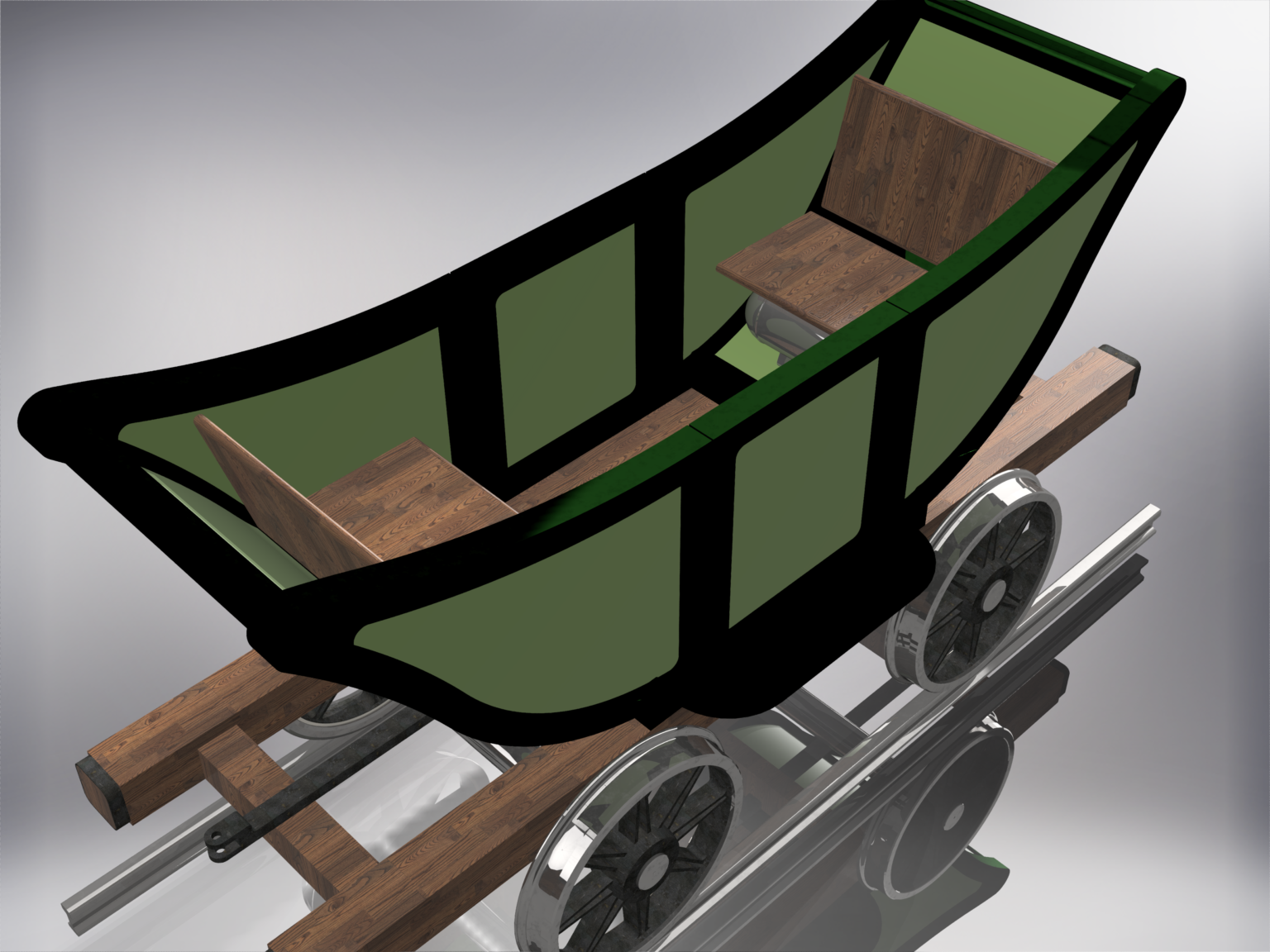
By Paul Jarman
I’ve alluded to this project in earlier posts, but can now reveal this new project that we will be undertaking largely in our own workshops. In creating a brief for this proposal, a number of considerations have been included and I’ve taken the salient points from the proposal document that I compiled, to create this blog post and give some insight into the process behind a project such as this.
In 1827 the Duke of Wellington visited Seaham, as guest of Lord Londonderry on the 15th September of that year.
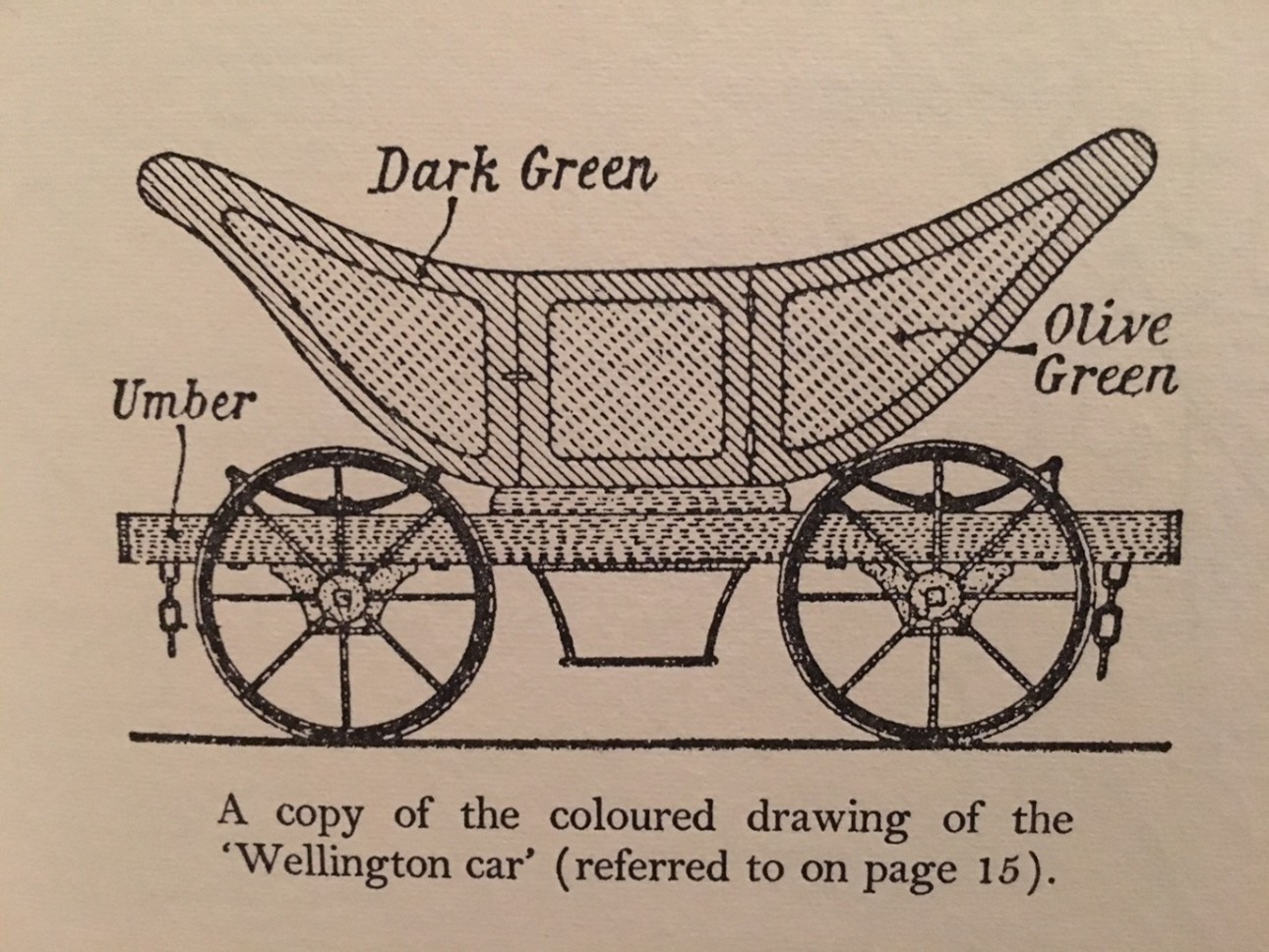
He was to be conveyed on the colliery railway network between Pittington and Penshaw (a distance of 8 miles) by means of a unique carriage, built at Chilton Moor Works for the occasion and described by author William Weaver Tomlinson as ‘the body of a landau on the underframe of a coal waggon, supported on four light wheels with springs’.
Tomlinson describes the livery as ‘olive green in the panels of the body surrounded with borders of dark green, umber in the sole-bars and buffers, madder in the wheels and axles, crimson in the springs, and dark blue in the coupling-chains’.
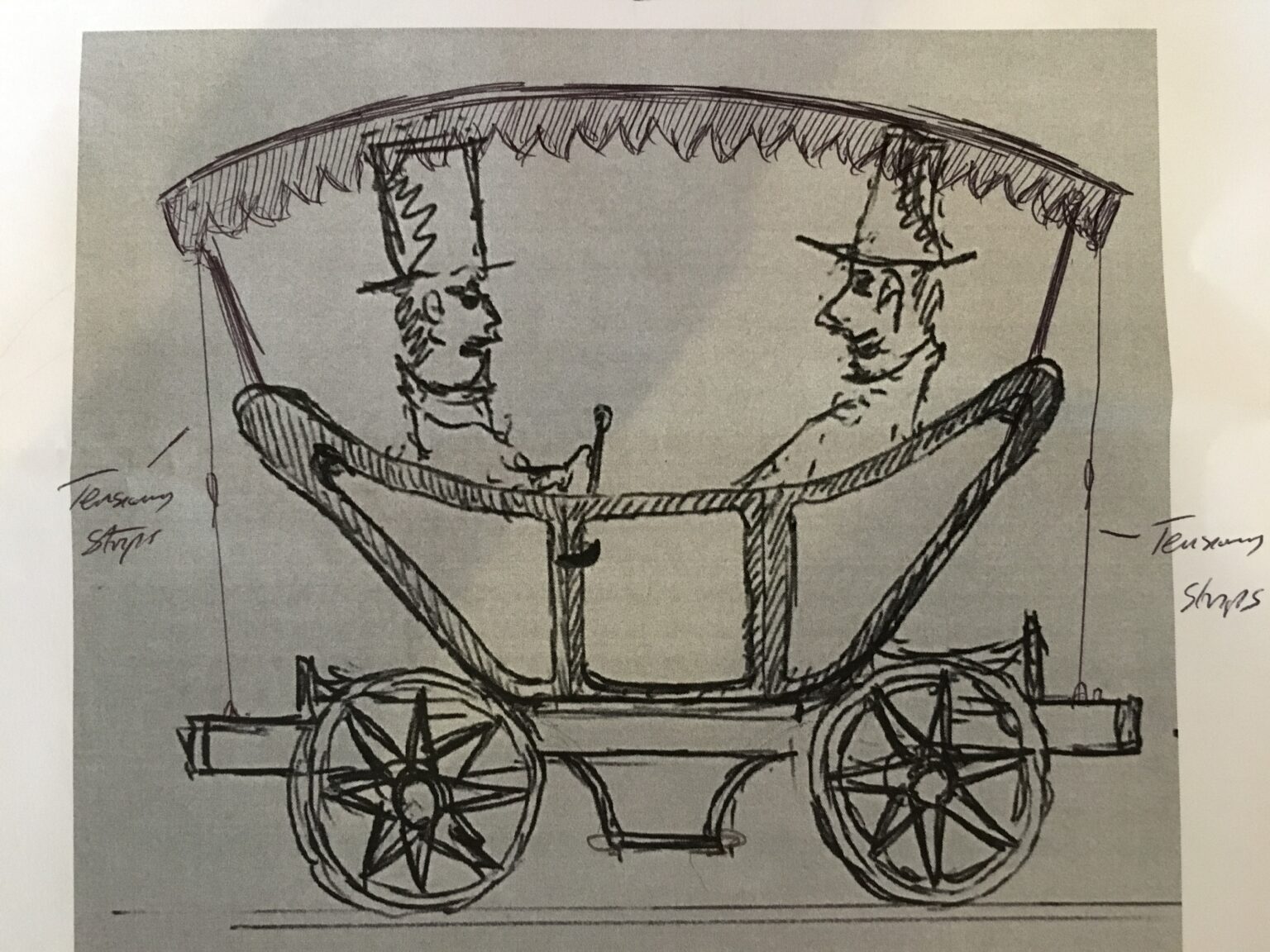
Evidently a painting of the carriage existed, and was the basis of Tomlinson’s description at his presentation to the Society of Antiquaries (the source of his quotes), but the origin of this, and present location are unknown.
George Hardy (author of ‘The Londonderry Railway) describes the carriage as being in use in 1861, when it was requested for an occasion by the Marchioness of Londonderry to see the works that were taking place in Sunderland in January of that year. Hardy’s original (and unedited) manuscript is held in the collection at Beamish.
The carriage had been rebuilt as a result of ‘taking fire’ and so its appearance at this date is unknown. In what appears to be reference to an occurrence at an earlier date, the carriage had been prepared for conveying the Marchioness, preparation that included cleaning and repainting the vehicle.
Unfortunately for Mr John Maddison, who had charge of the work (as Engineer of the docks at Seaham), the paint had not dried when the Marchioness came to use it – resulting in her shawl becoming stuck to the paint. Whilst amusing, it did result in the unfortunate Mr Maddison being instructed to ‘never show his face to her Ladyship’, something he adhered to for the rest of his life
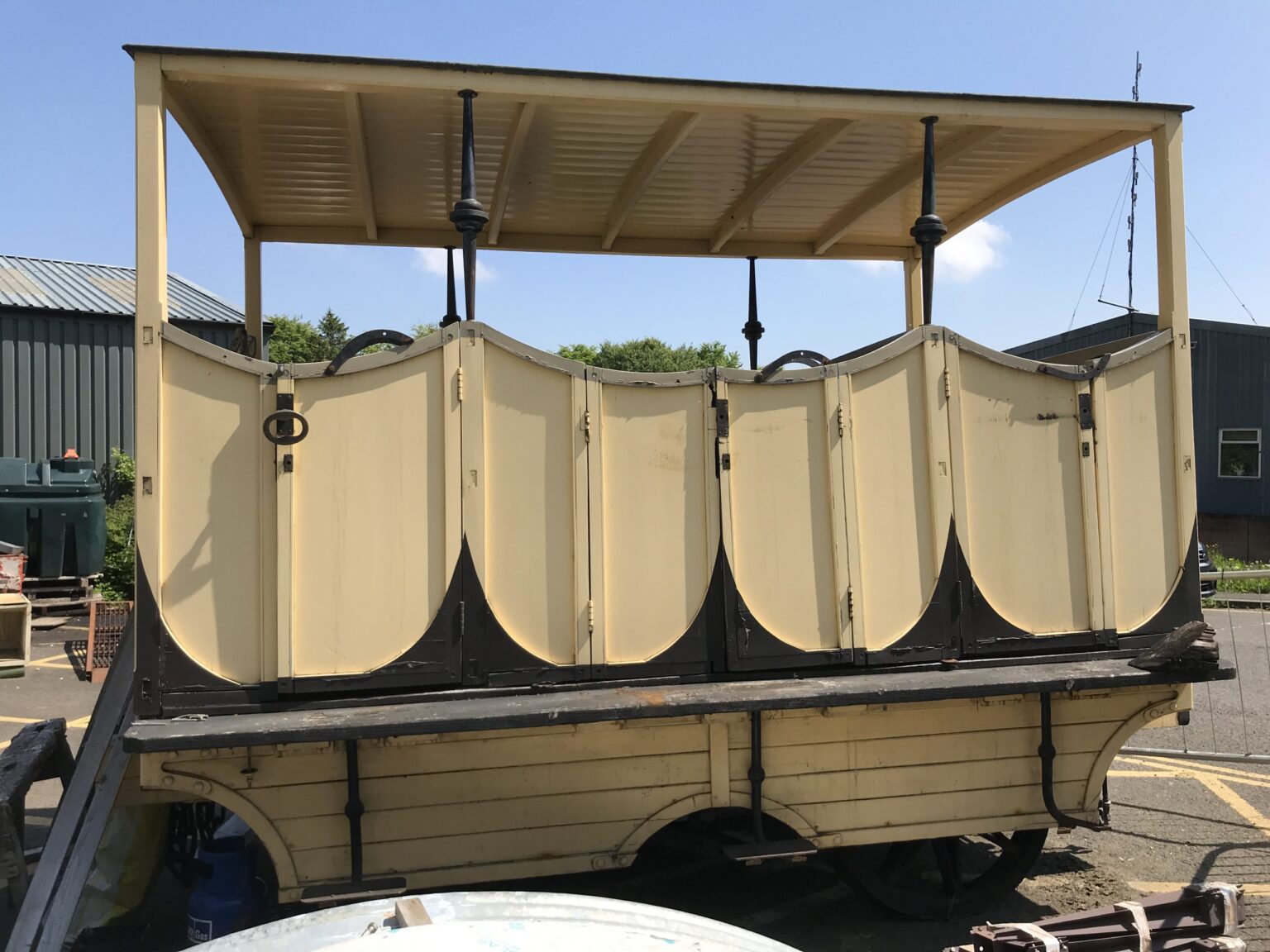
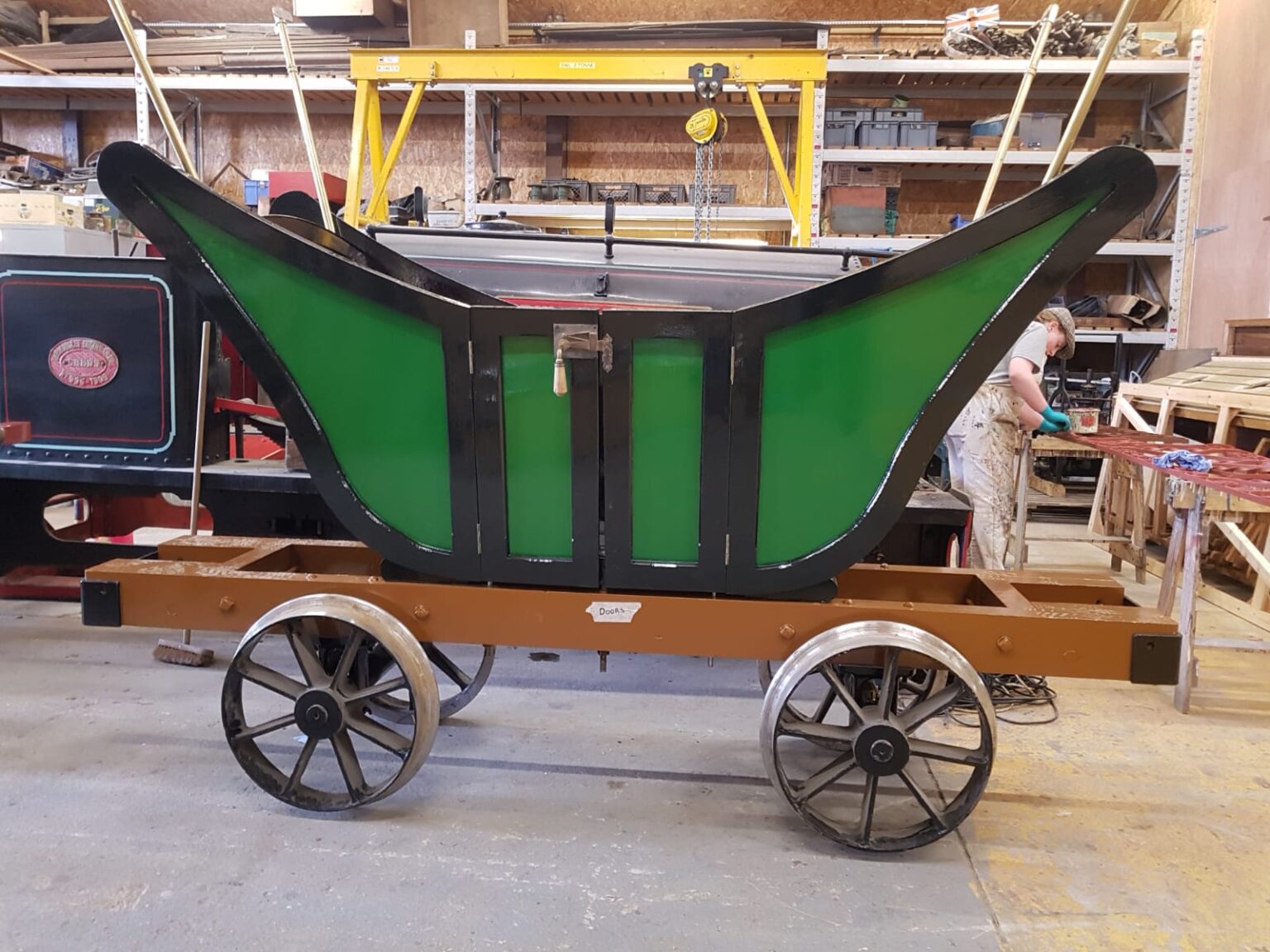
The aim of this project is to create an additional passenger carrying vehicle for use on Beamish Museum’s Pockerley Waggonway. The basis of the coach to be created will be a reclaimed passenger coach chassis previously used on the Waggonway in the guise of an open, and then semi-open coach.
Due to the poor condition of the body of this coach, and the challenges keeping doors locked and ‘square’, it was withdrawn from service. One wheelset was subsequently removed to provide a replacement for the Waggonway chaldron/air receiver waggon.
The brief covers the design and construction of a new body to be fitted to the above chassis. The chassis will be overhauled and fitted with new wheelsets and improved brake system components, but the design will remain per original (as this aligns with the other rolling stock at the Waggonway).
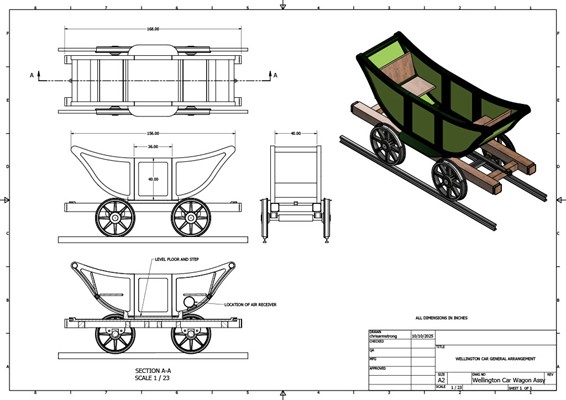
The design makes use of the well-proven chassis, coupling and brake system but with a new body better suited to the arduous conditions found at the Waggonway. The body design is still strongly anchored within the historical narrative of the north east’s early-railways. As this narrative is ‘light’ on passenger carrying vehicles in the period depicted, the design employed at Seaham, for their ‘Wellington Car’ in 1827 has been settled on as the basis for this new replica passenger coach.
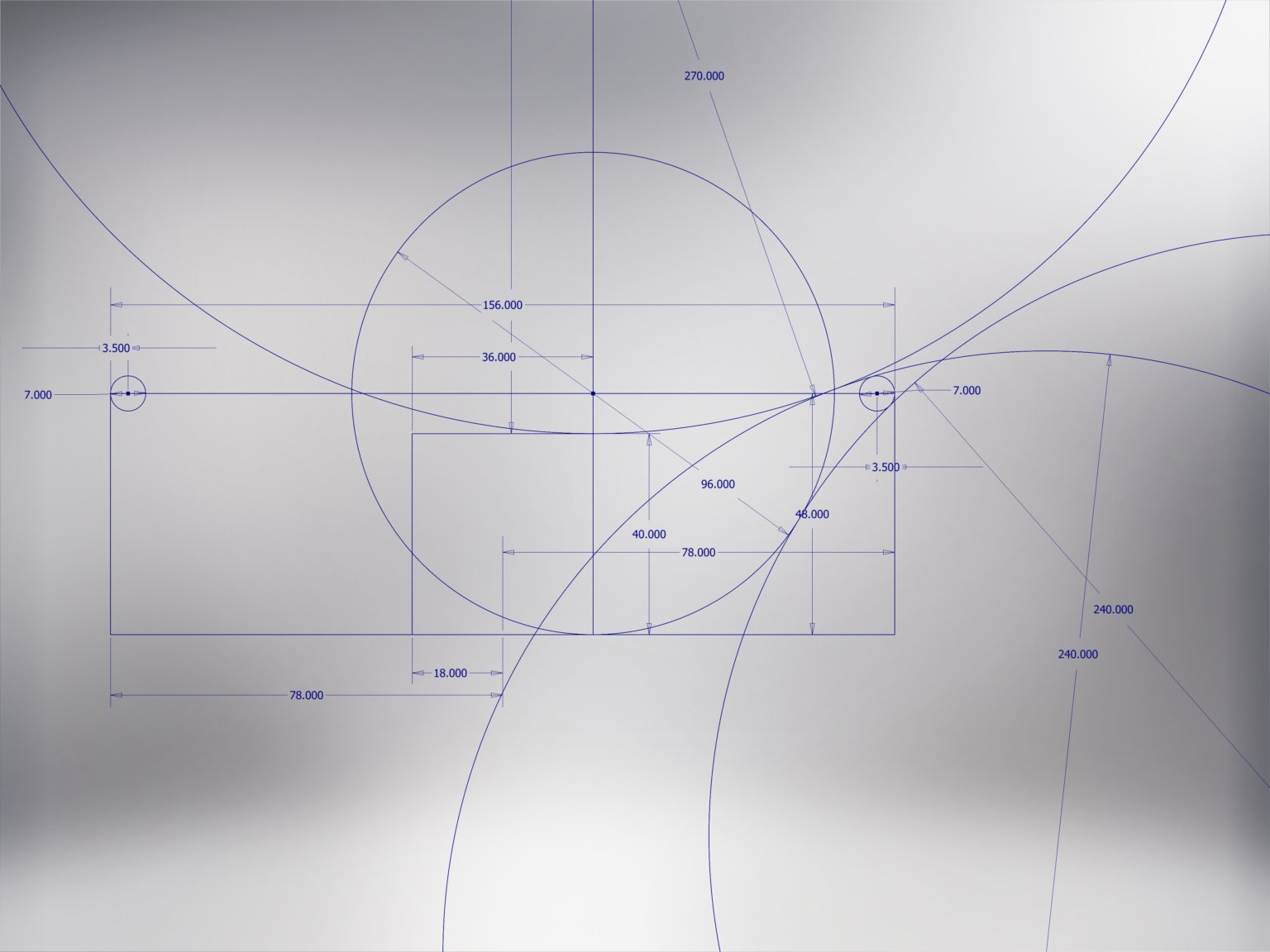
The design takes into consideration the following factors:
- The availability of a pre-approved and previously used passenger carriage chassis of a chaldron-type and with a proven track record of use at the museum
- The availability of a brand-new set of steel chaldron-type wheelsets, which were rejected by Network Rail for use on the replica train created for S&DR 200 due to marginally undersize journals – which were deemed unsuitable for 75mph approved running (!). These will be more than ample in capability for operation at 5mph at Beamish, however and have been purchased for this project.
- The twin-line air-brake system will be retained and overhauled, with isolating cocks to be installed at each end of the system as part of the process. New bearing pads/inserts will be required, to match the journal diameter of the new wheelsets to be used.
The potential for use of steel fabrication to create a robust open carriage, accessible for wheelchair users and with design features consistent with safe operation at the Waggonway. - These include:
- A rigid door frame and door pillar structure to prevent flexing and inadvertent opening of doors
- Anti-trap mechanisms to prevent visitor hands/fingers being caught in doors
- Lifting seat bases to increase floor space in order to accommodate wheelchair users within the coach
- Powder-coated frame and panels to ensure longevity in service
- Attractive period features might include short handrails with elegant stanchions, removable floor swab with longitudinal planks to aid maintenance and future renewal, and the appealing livery of dark green and light green (as described by Hardy).
Seats to be made of high-quality hardwood, varnished and with powder-coated fittings and brackets. - The step assembly will be recreated as a means of disguising the brakegear of the chassis (shoe brakes and linkage), and to conform as closely as possible to the original design. These will be made of bar, stepped outwards.
- The body appears (in the original sketch) to sit within the wheels – therefore it will require a short step on each side that bridges the gap between the doorway and the platform. From this the step assembly can be secured. Passenger capacity will be between 4 and 6 persons on the bench seats, or one wheelchair user (and companion – if one bench seat can remain unfolded)
So, what next? With the basic design established, the project will be broken into three distinct phases:
- Overhaul of the existing chassis, complete with new wheelsets
- Construction of the body shell with door and interior seats and fittings
- Finish – painting the chassis (Ochre), applying a durable finish to the body components (dark and light green) and wheels (crimson)
There would then follow a period of testing and commissioning. With 2027 being the two-hundredth anniversary of the Duke of Wellington’s visit, the plan is to construct the coach during 2026 and place it into service the following year. Chris believes that he can manufacture the body in the fabrication shop, so it is pleasing that as much as possible of this project will be carried out on site.
Related articles
News
Beamish Museum awarded Sustainable Built Environment Award
The County Durham Environment Awards, organised by the Environment and Climate Change Partnership, recognise the great work and commitment towards caring for the natural and built environment through sustainable innovation, design and volunteering across the county’s communities and businesses.
- 20 February 2026
Transport Blog
Armstrong Whitworth Overhauls
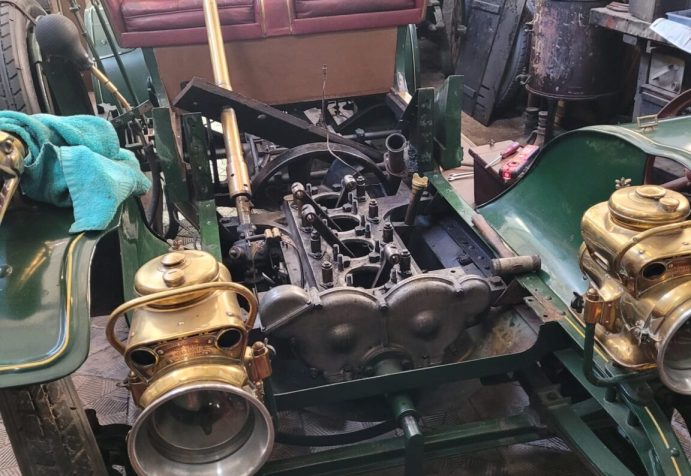
I thought reporting of progress on the two Armstrong Whitworth projects deserved their own post – partly as it may make them easier to find for anyone searching online for relevant material as we understand that there are a couple of projects out there (globally) to restore an AW car and potentially an AW stationary engine.
- 19 February 2026
News
Beamish Museum’s Chief Executive Recognised in Prestigious North East Business Titans List
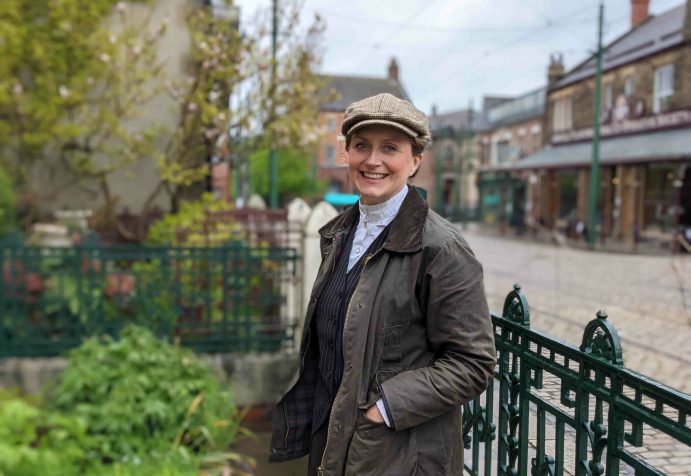
Rhiannon Hiles, Chief Executive at Beamish Museum, has been named a North East Business Titan, in recognition of her outstanding leadership, significant impact, and contribution to the regional business community.
- 16 February 2026