Clay Connections
What was this project about?
Clay Connections was a co-creative research project exploring how pottery, craft and shared making can support wellbeing, confidence and social connection.
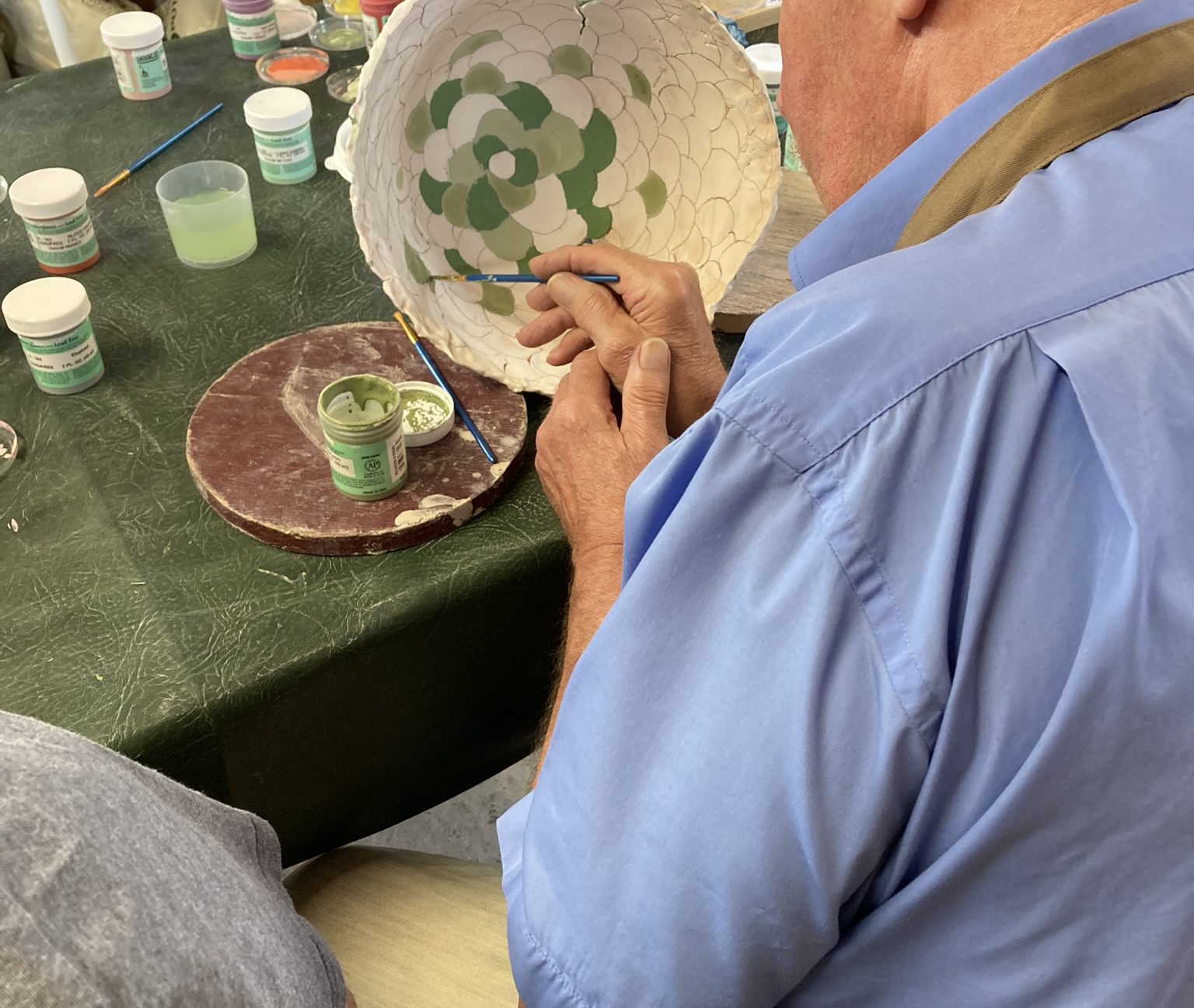
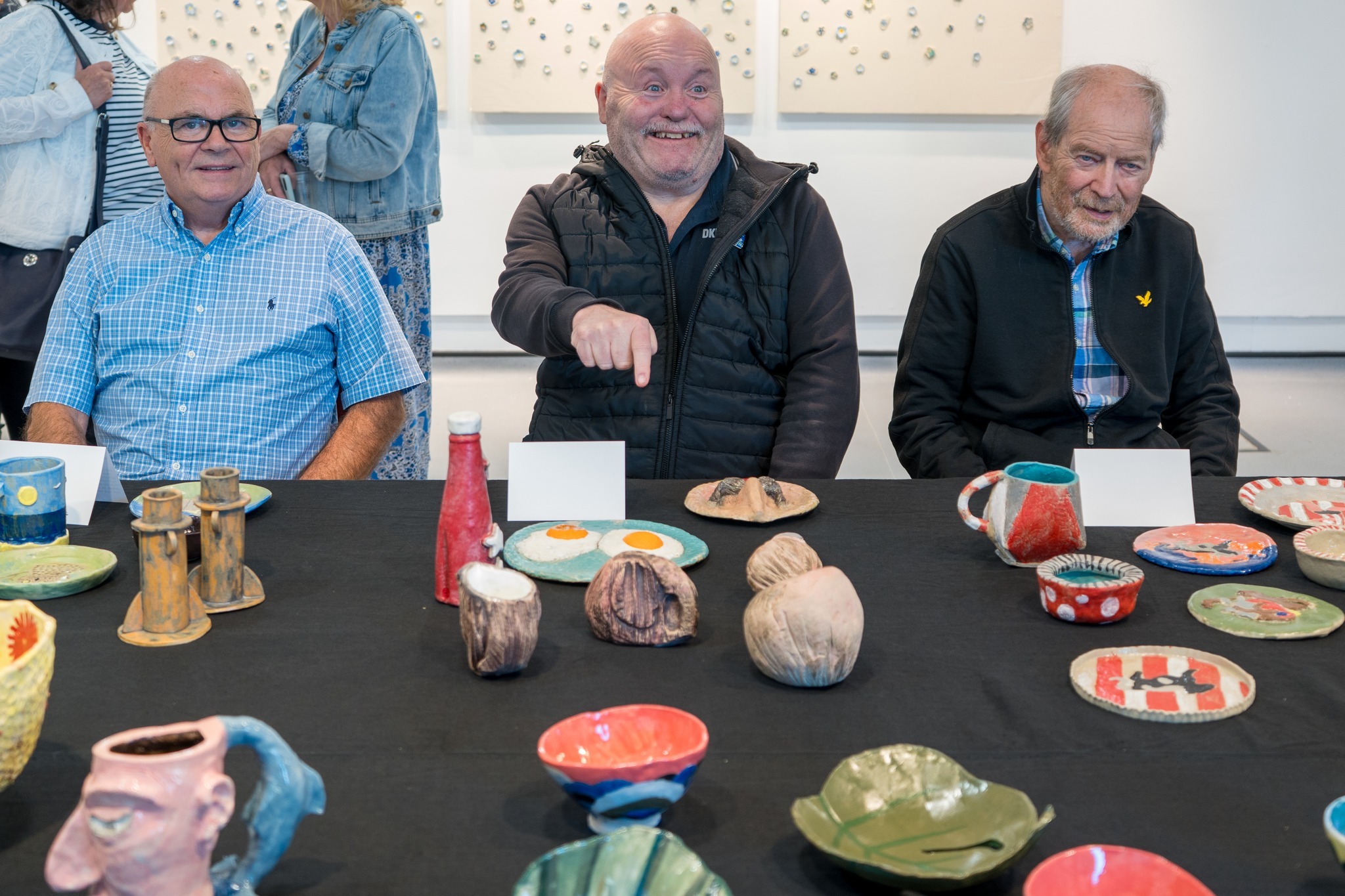
The project brought together members of the Beamish Health and Wellbeing pottery group and potters from Chilli Studios Mental Health Arts Charity. Over twelve weeks, participants worked in pairs and created pottery pieces for each other, inspired by small exchanges of personal information and creative prompts.
Each participant created a full tableware set for their partner — such as a plate, bowl or drinking vessel — and at the end of the project, participants met in person to exchange their pottery and share a meal together.
How the project worked
The project focused on reciprocal making — creating something meaningful for another person. This helped participants build a sense of care, connection and purpose through the making process.
Throughout the project, participants developed a growing sense of connection with their partner, even before meeting them in person. The project explored how creativity can help people:
- Feel valued
- Build relationships
- Express identity
- Experience personal growth through creating for others
The research found that focusing on creating for another person helped participants shift their focus outward, building compassion, confidence and connection.
Links to wider research and practice
Clay Connections was part of a wider co-creative research partnership between Beamish Museum and Northumbria University, exploring how heritage craft can support:
- Learning new skills
- Teaching skills to others
- Social connection
- Wellbeing and confidence
- Person-centred creative practice
The research builds on growing evidence that arts-based creative practice can support people living with dementia, cognitive change and social isolation.
Centring and Clay Connections
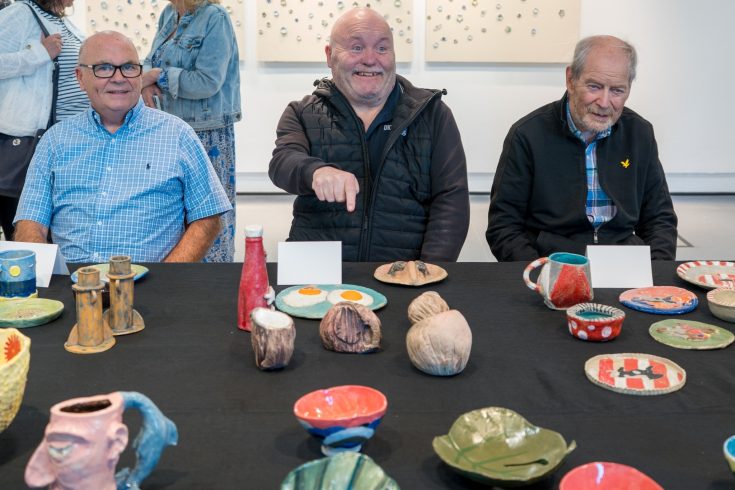
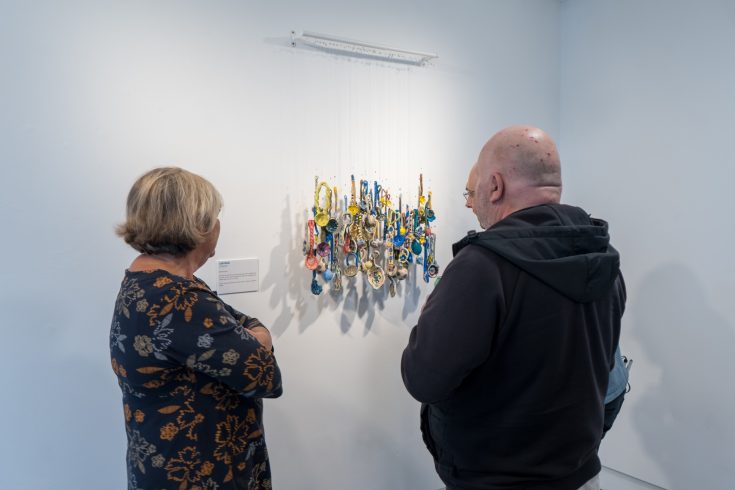
As part of sharing the learning and creative outcomes from the project, Clay Connections was featured in the Centring and Clay Connections exhibition at Gallery North, Northumbria University.
Centring and Clay Connections
The exhibition presented work from the co-creative research projects and helped share participant creativity, research findings and the value of heritage craft for wellbeing with wider public, academic and creative audiences.
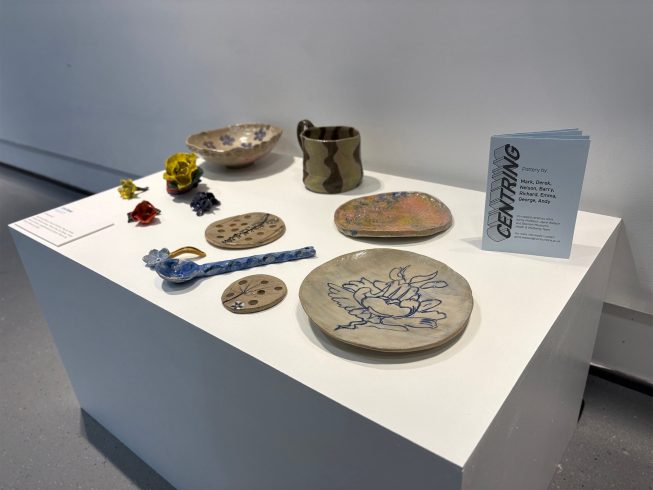
Centring and Clay Connections
This helped demonstrate how co-creative making in heritage settings can contribute to research, community practice and creative health.
Partners


Partners
- Beamish Museum Health and Wellbeing Team
- Northumbria University (Design and Psychology research teams)
- Chilli Studios Mental Health Arts Charity
Outcomes and Impact
The project helped participants:
- Learn new heritage craft and pottery skills
- Build confidence and creative identity
- Form meaningful connections with others
- Experience pride and achievement through making
- Contribute to research shaping future creative health practice
- The project also demonstrated how creative exchange and gift-making can help people feel connected, valued and capable of positively impacting others.
Missing Out: Creative Ageing and Men
A case study about our pottery group features in one the Baring Foundation’s publications.Exploring why comparatively few older men are engaged in creative opportunities in later life.
Framing It Differently
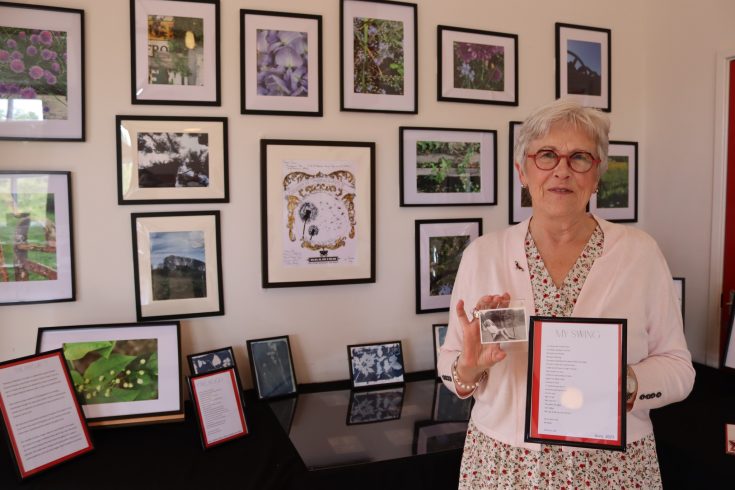
Framing It Differently was part of the national ENLIVEN research programme, which explored how outdoor environments and nature-based experiences can support the wellbeing, independence and social connection of older people living with dementia or cognitive impairment.
Dementia Action Week: Memory Walk
As part of Dementia Action Week, Beamish Museum hosted a programme of inclusive activities designed to raise awareness of dementia, support people living with dementia and celebrate dementia-friendly communities.
Folk Art Pilot
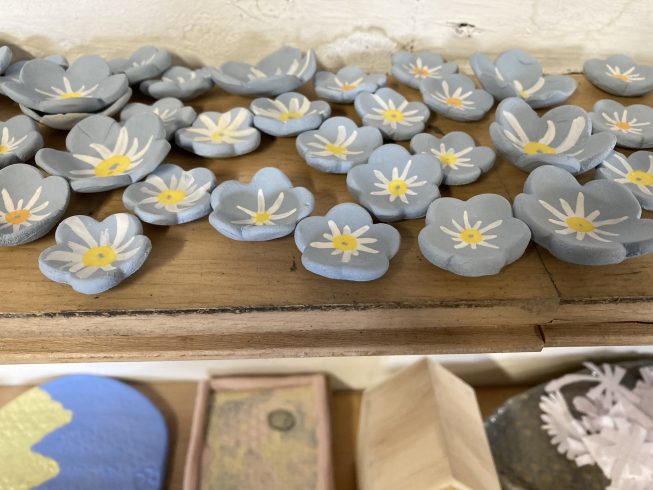
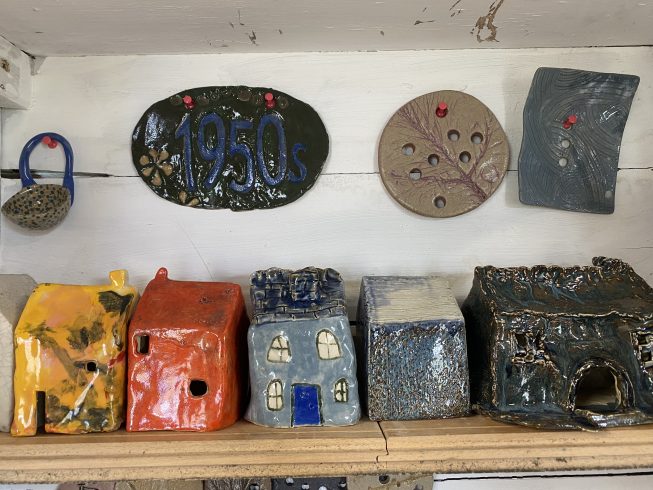
The Folk Art Pilot explored less widely practised heritage skills and creative techniques, including glass art, silk painting, body ware and other traditional craft forms that are not always widely available or easily accessible in community settings.