1900s Colliery
Discover the story of North East mining at the 1900s Colliery.
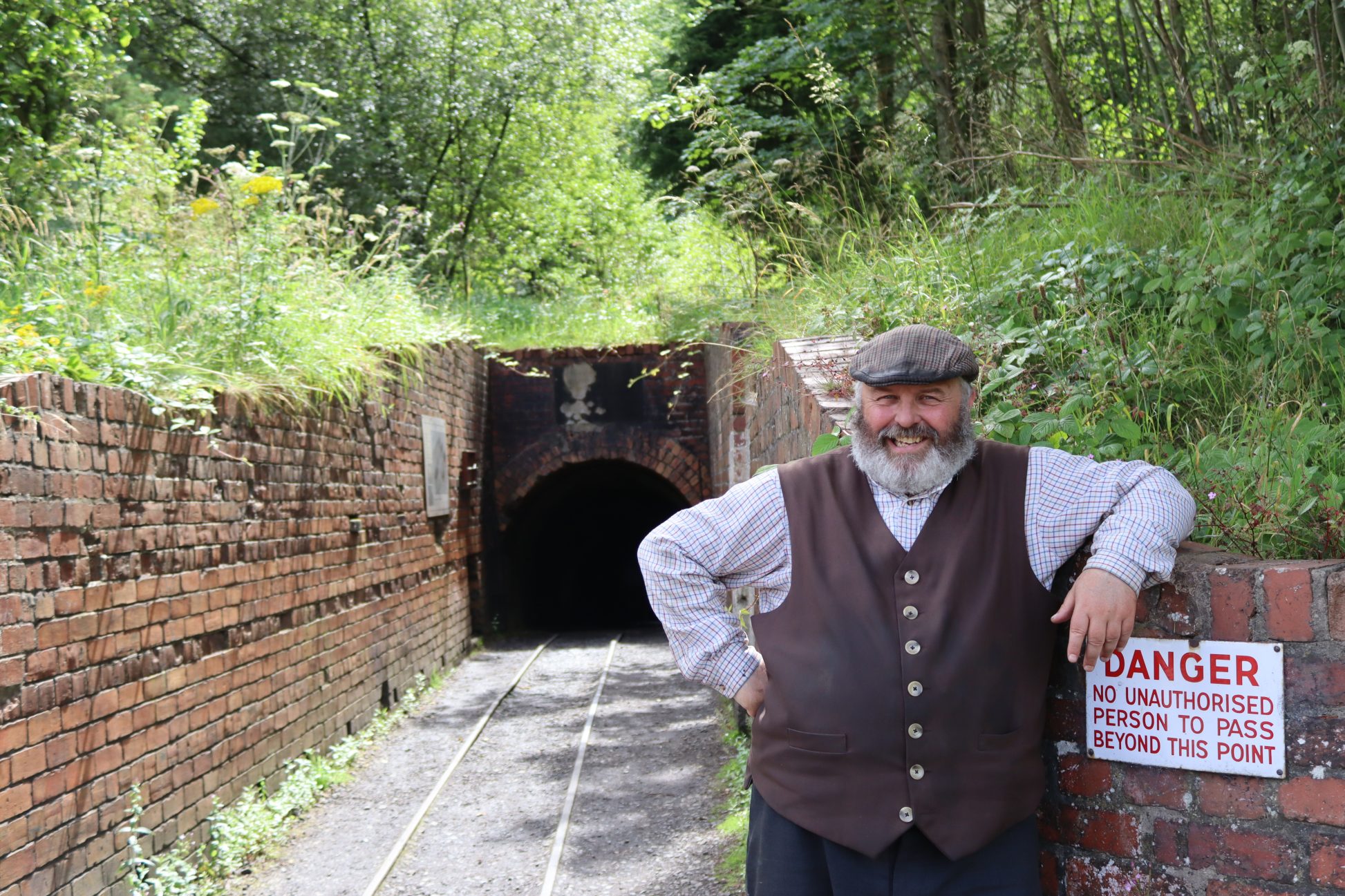
Generations of families worked down the North East’s pits – it was the industry on which the region’s prosperity was built. In 1913, the year of peak production, 165,246 men and boys worked in Durham’s 304 mines.
The site on which the museum stands was once at the heart of the Durham coalfield. The early 1900s were a prosperous period for North East miners, who were relatively well paid. Their wages were double those of agricultural workers, the next biggest industry.
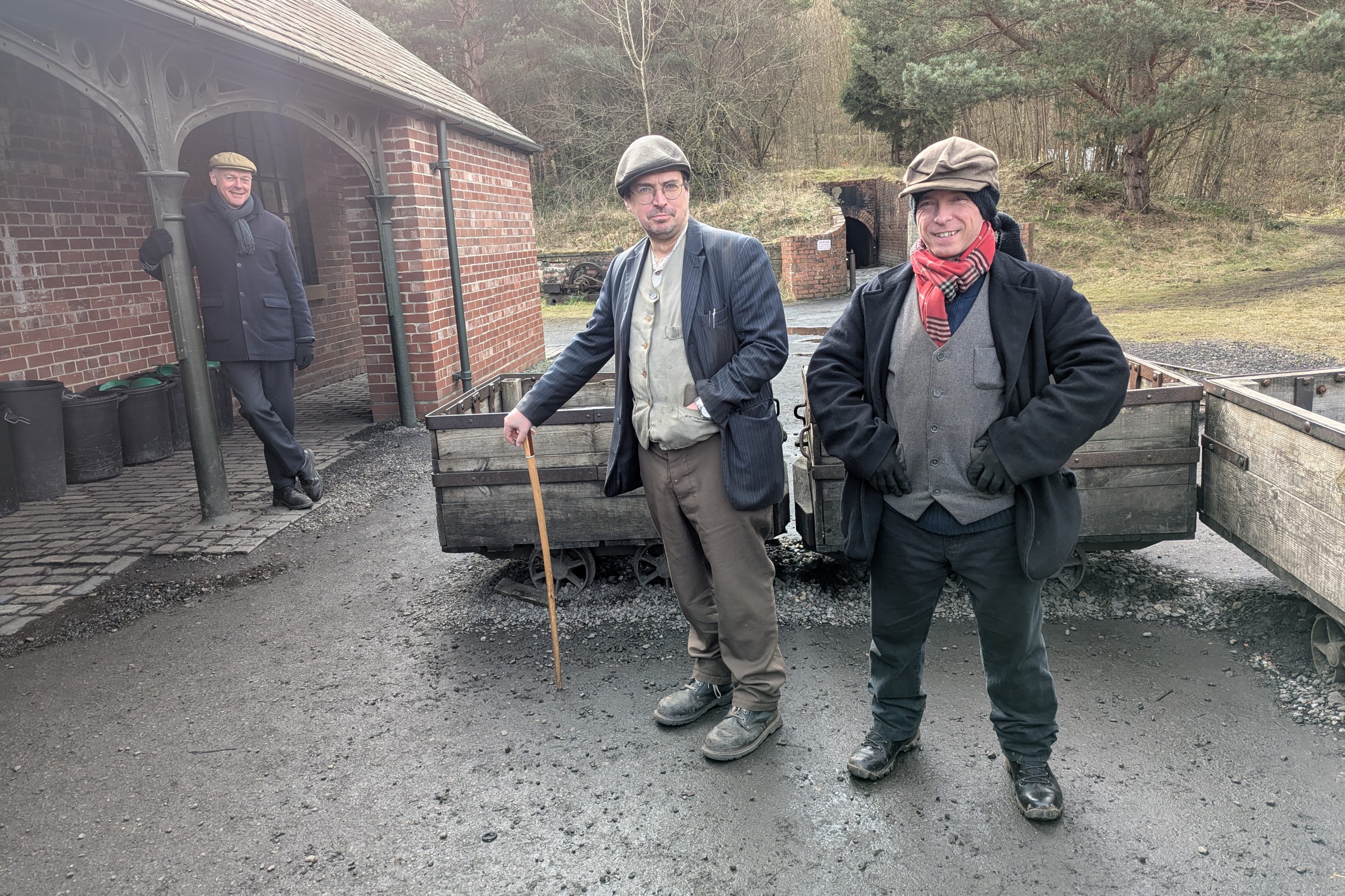
No recreation of the history of North East England would be complete without a colliery and the people who worked there.
Explore
Mahogany Drift Mine
Tours begin from 10.30am
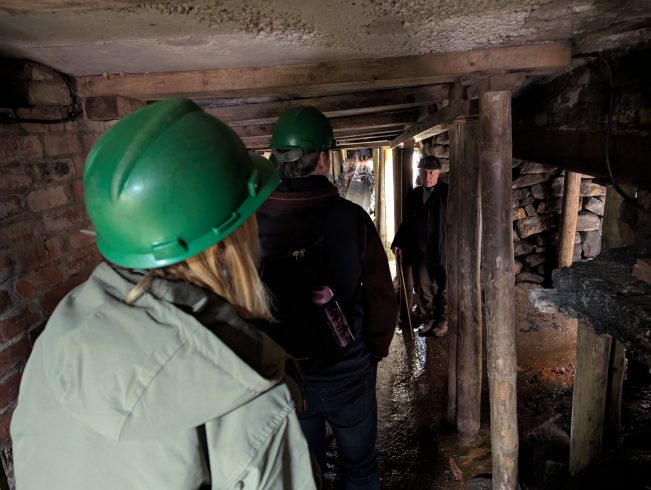
Mahogany Drift Mine was opened on this site in about 1855 and later closed before coming back into use in 1921 to take coal from Beamish Park Drift to Beamish Chophill Colliery.
Miners faced dark, wet and often cramped working conditions. Take a trip down our drift mine and experience the reality of life underground for yourself. Entry to the mine is by guided tour only, running regularly throughout the day. Last tour is 30 minutes before museum closing time
Access
To create an authentic feel, there are a variety of ground surfaces, some of which are uneven by nature. There are steep slopes in places, and some buildings and exhibits have stepped access.
Accessible toilets (right hand transfer) are available in the lamp cabin in The Colliery Yard, where there are also baby changing facilities.
The lamp cabin is accessible via a sloping, paved walkway from The 1900s Pit Village.
Access to the engine house is via a steep ramp or by steps. Please be advised that this ramp may not be suitable for wheeled access.
A sloping path leading through the woods to The 1820s Landscape can be accessed from behind the lamp cabin. A shorter path across a section of railway track is to the left of the engine house. This path may be closed on occasion during some colliery events.
The drift mine has very low ceilings in parts, it is not suitable for wheelchair users who cannot alight from their chair. Light levels may not be suitable for those with visual impairments. Photo packs are available for viewing at the lamp cabin.
Mahogany Drift Mine Tour
All visitors to the drift mine must be able to do the following:
- Securely wear a safety helmet at all times, while underground.
- Wear suitably sturdy footwear (No flip-flops or loose fitting, thong-style, sandals).
- Parents/carers must supervise young children at all times.
- Young children must be able to walk (unaided) during the tour and must not be carried, due to the limited head height.
All visitors to the drift mine are reminded of the following:
- The minimum head height in the Mine drops to 4 Feet 6 inches (140cm). Anyone above this height must be able to stoop during the tour.
- The surface, underfoot, is made up of a gravel and is uneven. There is also standing water on the ground.
- Visitors are free to leave the tour, at any point, and return to the surface.
- The Mine is not accessible to wheelchair users, due to the limited head height and uneven floor surfaces.
Going Underground at Mahogany Drift Mine