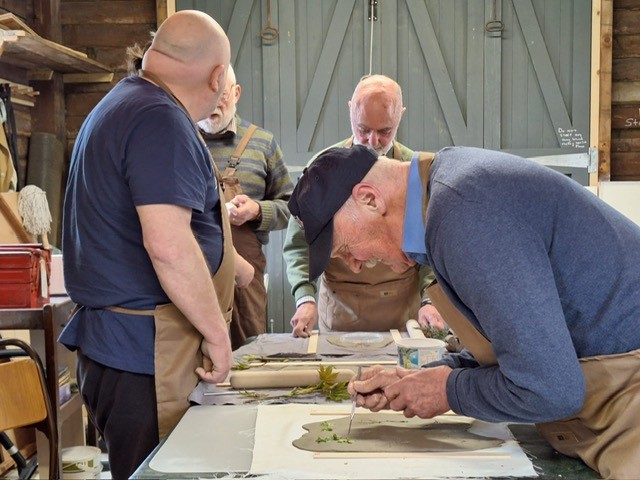
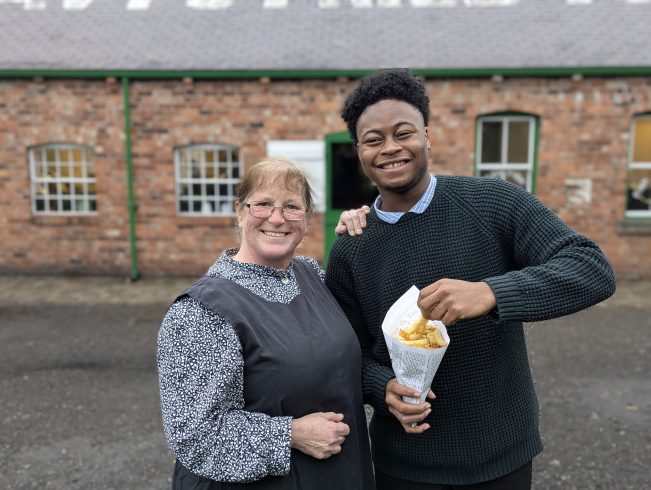
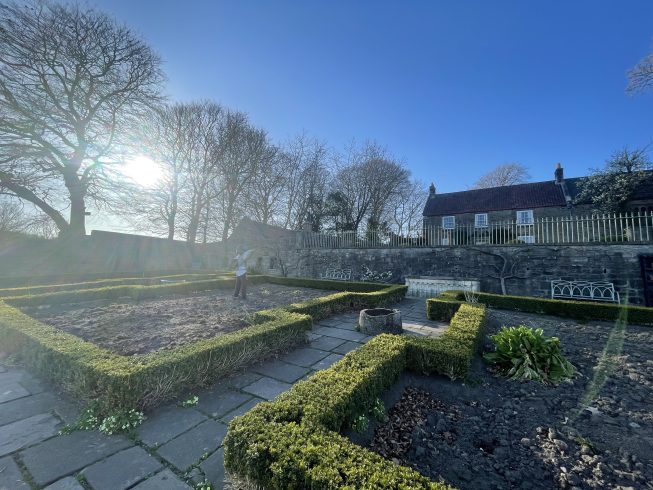
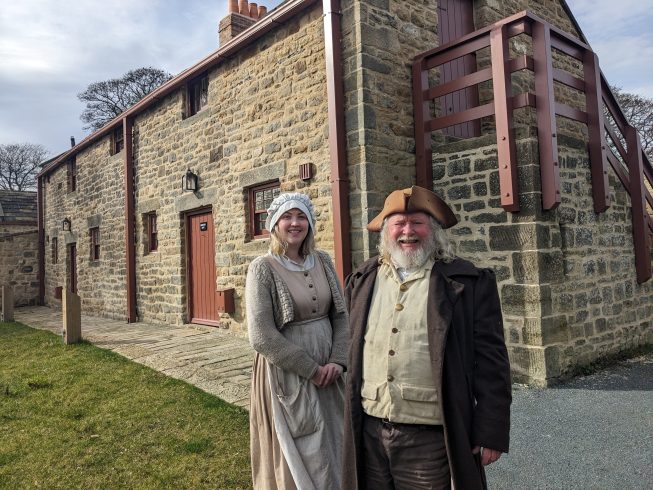
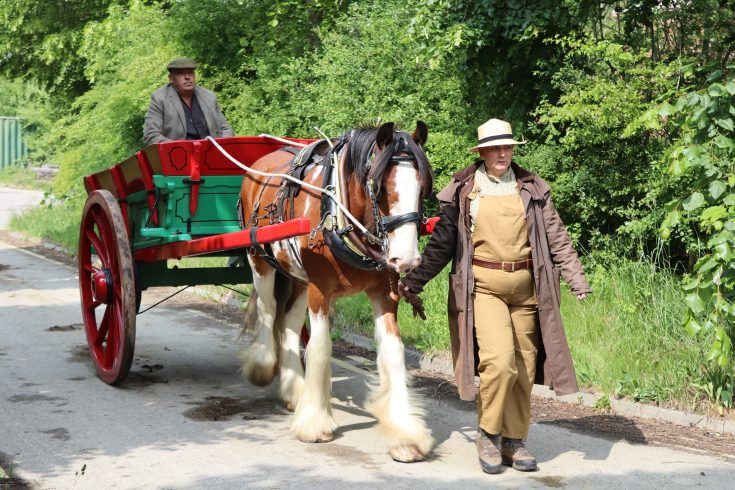
The Health and Wellbeing Service at Beamish Museum supports adults through creative, social and heritage-based activity designed to improve emotional and social wellbeing. Our work is person-centred, strengths-based and non-clinical, delivered in a safe and welcoming environment (often based at Clover Cottage in the 1950s Town, as well as other areas of the museum).
We work alongside local partners including NHS services, occupational therapists, social prescribing link workers, voluntary sector organisations and community groups, and we welcome referrals from professionals and self-referrals.
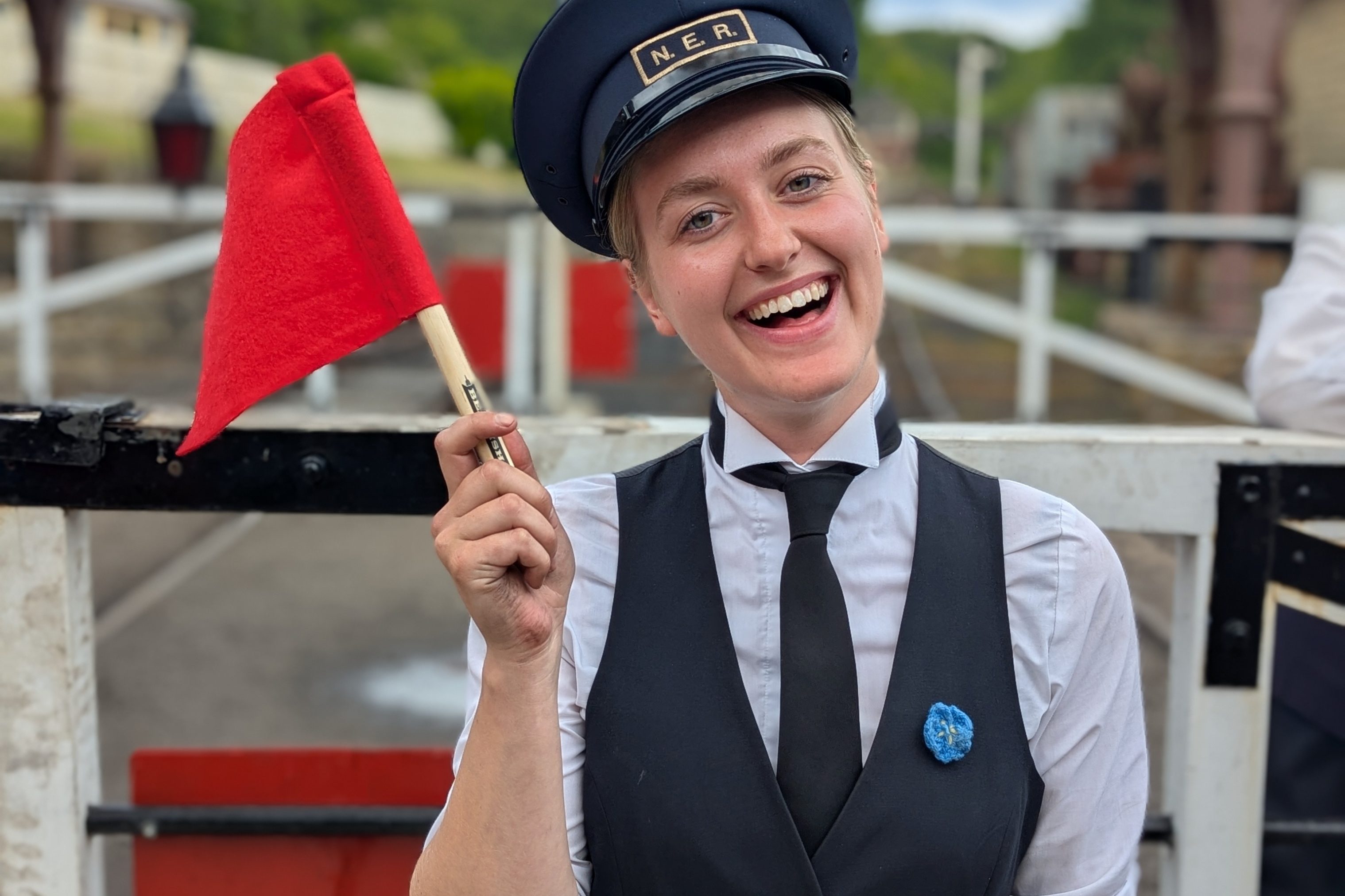
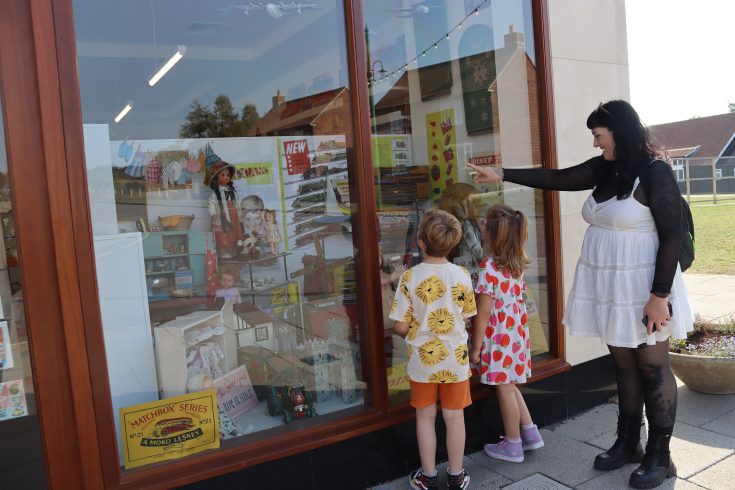
The service may be suitable for adults who would benefit from supportive, community-based wellbeing activity, including people experiencing:
We aim to offer inclusive support regardless of age, health needs or abilities, and we adapt our approach to the individual.
We provide:
Our staff are Health and Wellbeing Support Workers. We provide social, emotional and practical support through activity and connection.
We are not a clinical or therapeutic service. We do not provide:
Where needs are beyond our remit, we will signpost or encourage referral to specialist services and we are happy to work alongside existing care plans where appropriate.
Referrals can be made by:
Some groups have limited capacity and waiting lists may apply; we will always communicate this clearly.
To support safe group placement and person-centred support, it is helpful to include:
We aim to ask only for information that is proportionate and useful.
Our work is guided by evidence-informed approaches commonly used across creative health and dementia-inclusive practice:
Teepa Snow – Positive Approach to Care (PAC) and GEM StatesÂ
Our team uses PAC-informed principles, including:
This supports a calm, respectful and flexible approach, especially for people living with dementia or cognitive change.
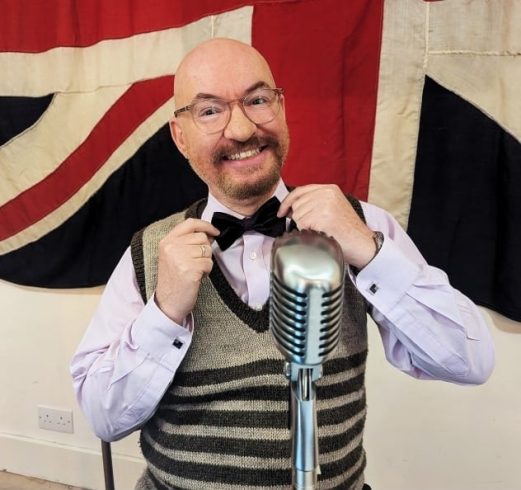
We use music intentionally because it can support:
Music sessions are designed so people can participate at any level (listening, humming, tapping, singing, gentle movement).
While we are not OTs, our approach aligns strongly with occupational principles such as:
We take safety seriously and aim to be transparent with professionals.
If a professional has specific concerns, we encourage a brief conversation before a first session so we can plan support appropriately.
We aim to reduce barriers to participation. Adjustments may include:
If you anticipate a need for adjustment, please include this in the referral and we will discuss it.
Professionals can expect:
Where appropriate and with consent, we are happy to share general engagement feedback (e.g. attendance patterns, what helps someone settle) to support joined-up working.
Beamish’s Health and Wellbeing work includes partnership activity with universities, VCSE networks and community organisations. We are committed to reflective practice, continuous learning and contributing to the evidence base for creative, heritage-based wellbeing support.
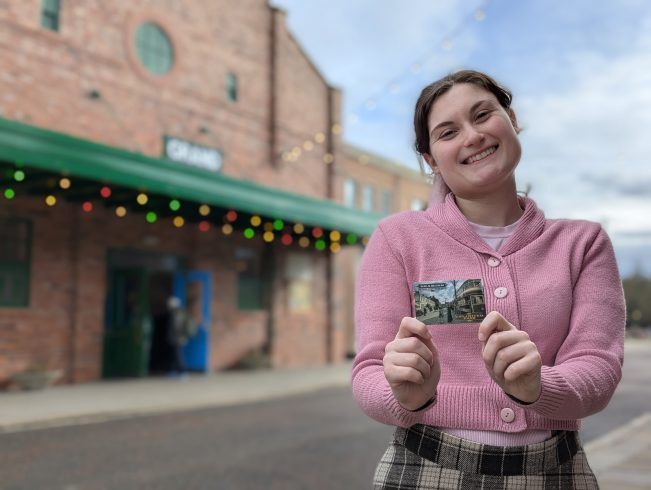
Pay once and visit for a whole year FREE of charge, including daytime events so if you’re worried that you won’t be able to fit everything into one day, now you can come back as many times as you like for a whole year!
Buy your Unlimited Pass