Health & Wellbeing
Providing everyone, regardless of age, health needs and abilities, with opportunities to enjoy the museum.
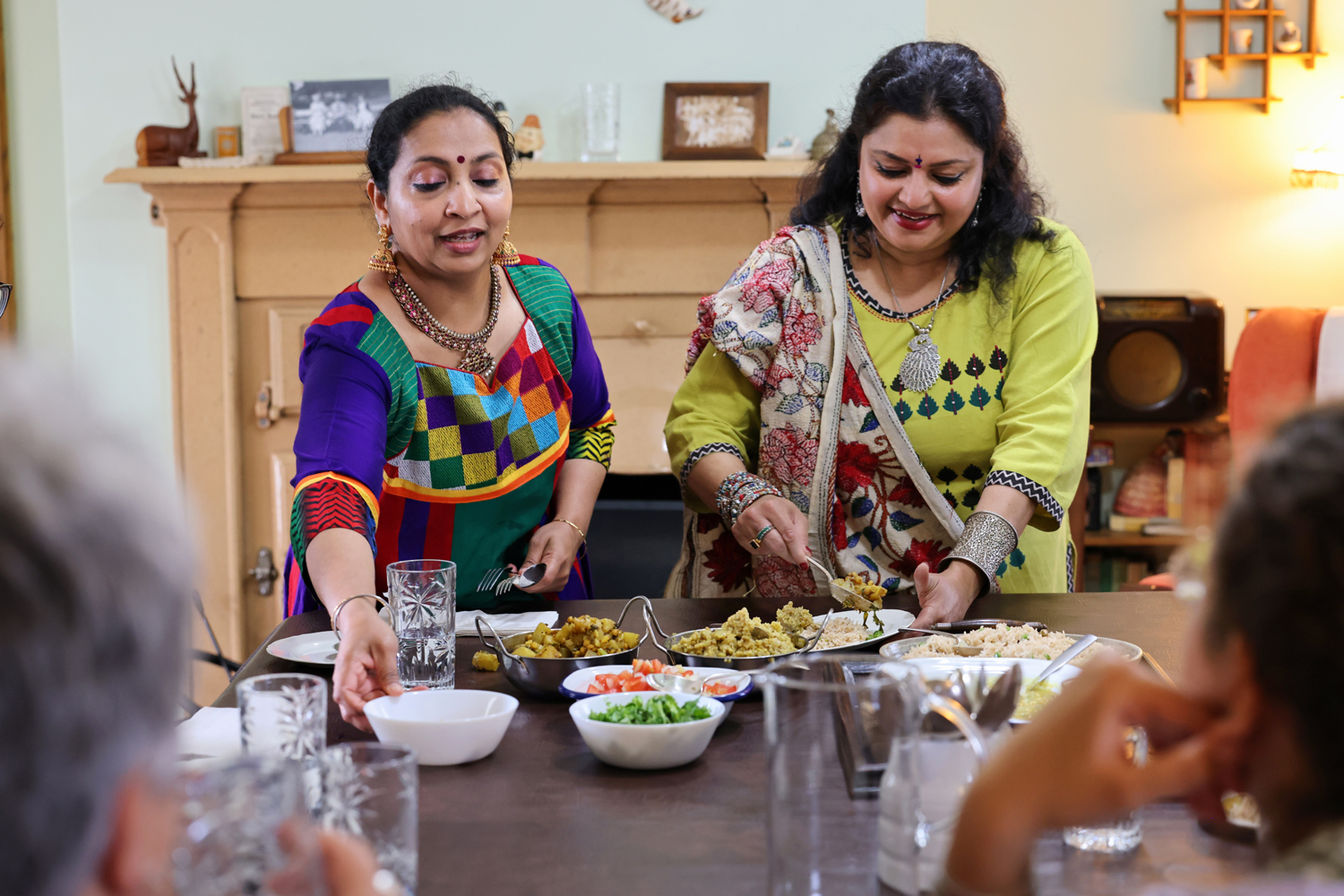
We are all passionate about supporting people to feel connected, valued and confident. We each bring different skills, experiences and interests, but we all share the same approach — listening, kindness and working alongside people at their own pace.
The Health and Wellbeing Team at Beamish Museum supports adults, regardless of age, health needs or abilities, by offering opportunities to enjoy the museum, take part in traditional activities, learn new skills, build confidence and, most importantly, enjoy the company of others.
The Health and Wellbeing Service is made up of a small, friendly team of three Health and Wellbeing Support Workers.
Clover Cottage
Many of our sessions take place in our cosy Clover Cottage in the 1950s Town, whose accessible facilities and treasure trove of objects make it an ideal space for creative and social activities. We also run sessions in other parts of the museum, making full use of Beamish’s unique heritage setting.
What is Clover Cottage?
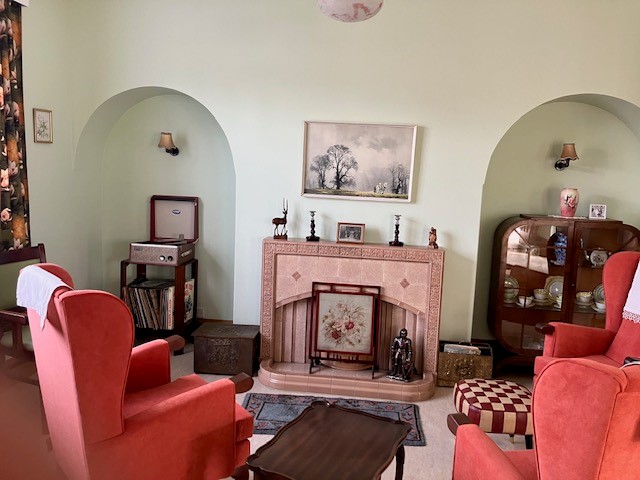
Clover Cottage is a special space created by Beamish Museum’s Health & Wellbeing Team. The cottage has been carefully designed by the team to ensure the space is fully accessible and dementia friendly. Michelle visited the University of Stirling’s Dementia Services Development Centre, and then was able to combine best practice about dementia friendly design with the museum’s unique environment.
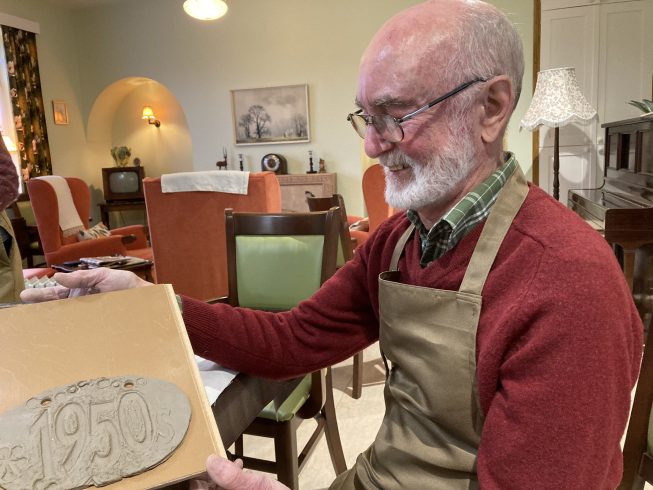
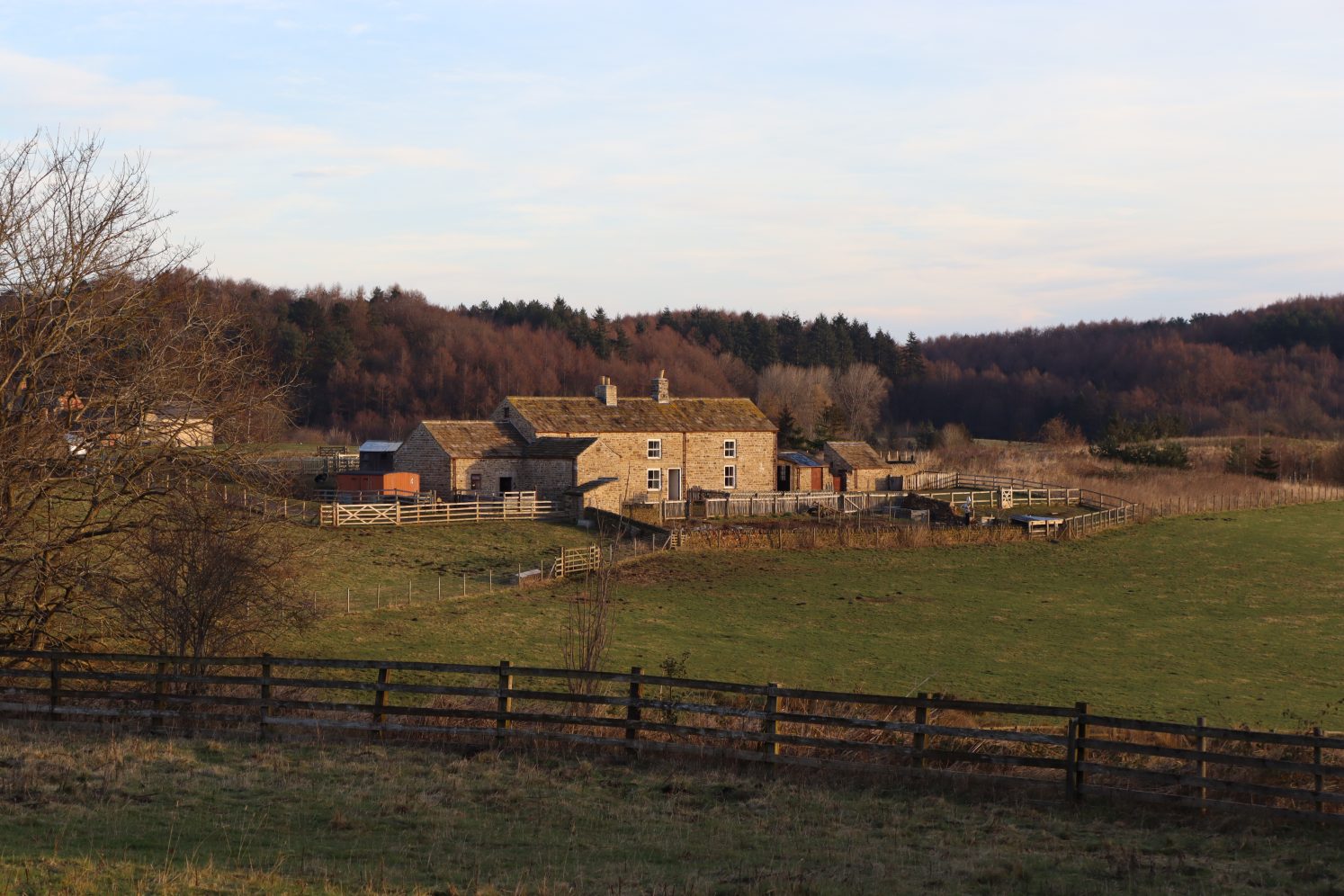
Inside the decor and furnishings reflect a 1950s home, helping to spark recognition, conversation, exploration and comfort. All the objects in found in the cottage are from Beamish Museum’s collection, and group participants can interact with these freely. The exterior is a replica of existing aged miners’ cottages found on Marston Road in South Shields.
Clover Cottage is located in the 1950s Town at Beamish Museum. It’s the end cottage, on the row of aged miner’s homes, with a large blue shed next to it.
There are several ways to reach the cottage:
- Our weekly session participants get collected by our Health and Wellbeing minibus from the museum’s main car park and are taken directly to the cottage. The minibus is wheelchair-accessible and has a platform lift.
- People can also walk from the main museum entrance to the 1950s Town, which takes approximately 15 minutes at a relaxed pace.
- Alternatively, people can use the museum’s tram or bus services to travel to the bus stop at the 1950s town and reduce walking.
A team member will always be on hand to help if needed.
Clover Cottage is designed to be comfortable and welcoming:
- Five rooms inside, including:
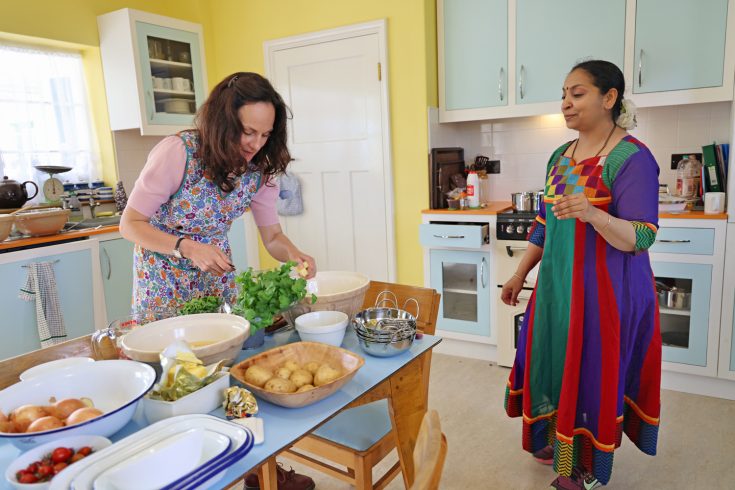
- A functioning kitchen
- A sitting room for conversation and relaxation
- A conservatory
- Accessible toilets and Changing Places facilities
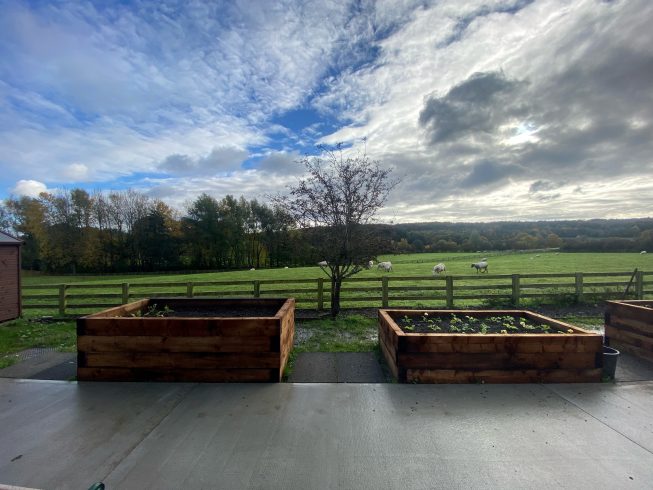
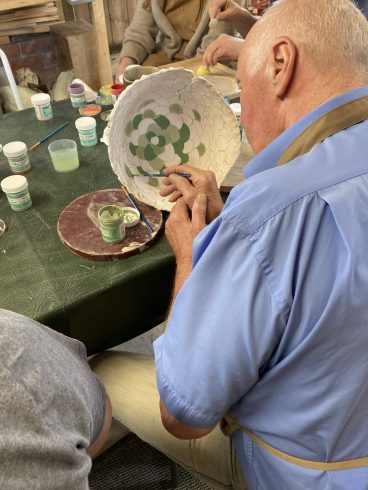
- Outdoor space with a garden and a shed used for activities like woodworking and pottery
While the cottage can accommodate larger numbers, our wellbeing groups generally include up to six participants to ensure sessions stay supportive and personal.
We describe the sensory experience of Clover Cottage to help people feel prepared:
- Lighting: Plenty of natural light through windows, with additional gentle lighting throughout to create a warm and calm atmosphere.
- Noise: The cottage is generally quiet and free from museum crowds. If you step outside, you may sometimes hear ambient sounds from other parts of the site.
- Smells: Mostly neutral. If the fire is lit, a soft scent of coal may be noticeable outside.
Clover Cottage has been developed with accessibility in mind:
- Step-free access throughout
- Accessible toilets and a Changing Places facility
- Seating options including chairs with armrests
- Space for mobility aids
- A quiet area in the conservatory or team office for anyone who needs a moment away from the group
If you have specific needs, please mention these at referral — we’re happy to talk through anything in advance.
The space is used for a wide range of group activities including:
- Creative and heritage-inspired sessions
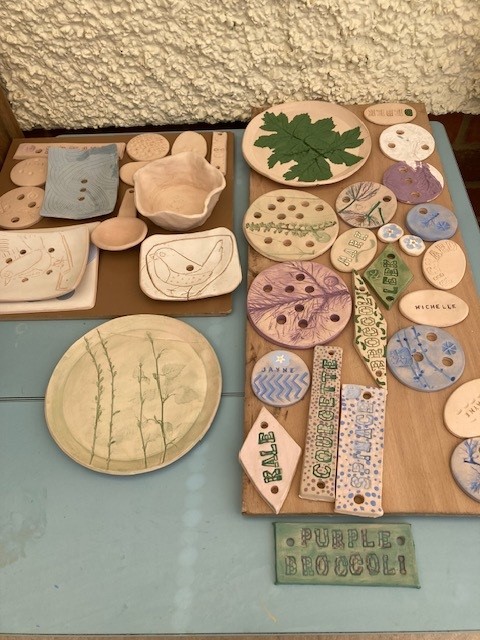
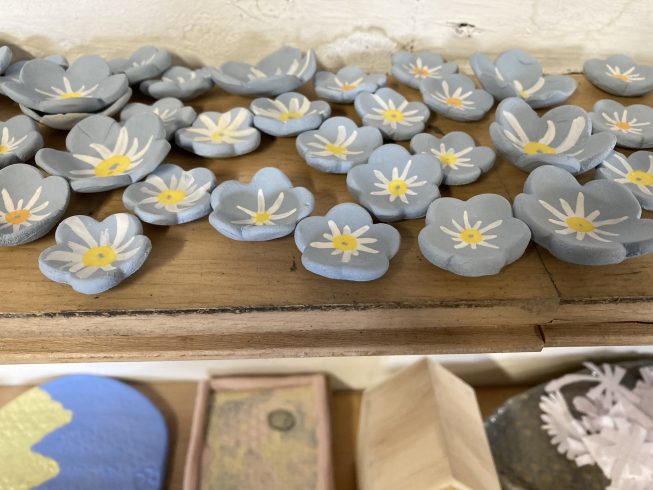
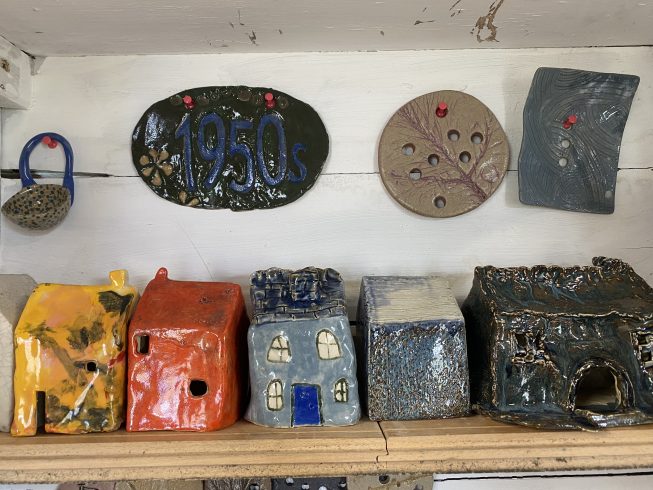
- Woodwork, craft and pottery projects
- Baking and kitchen-based activities
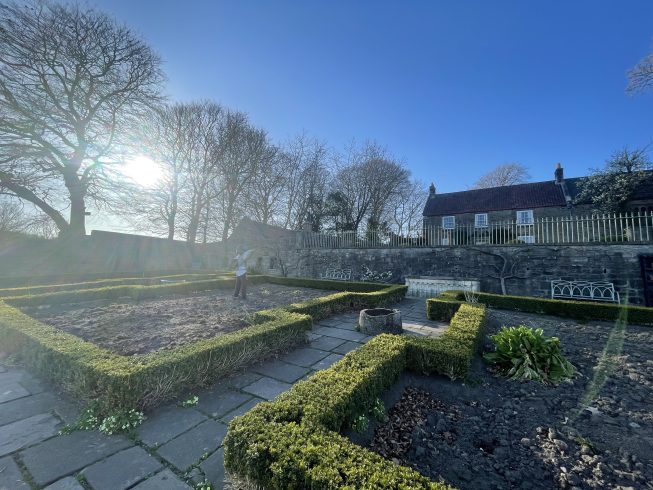
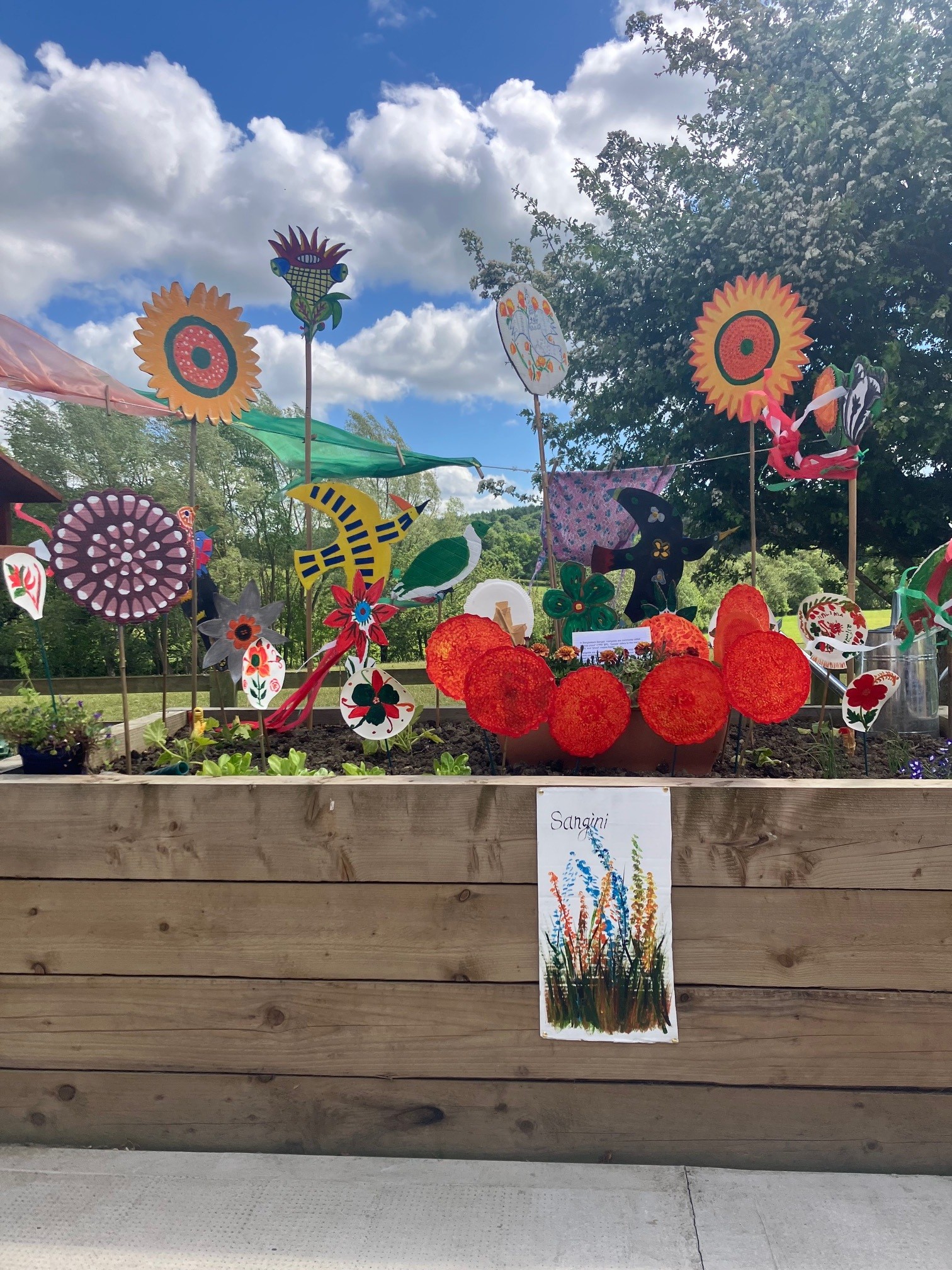
- Gardening in the outdoor space
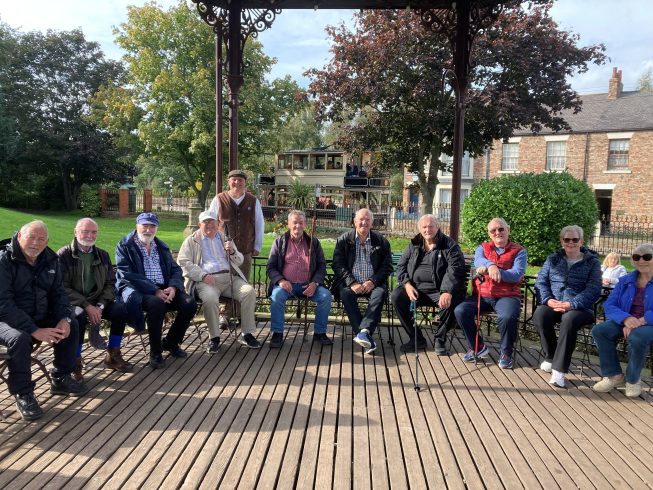
- Social connection and relaxed conversations
These activities are chosen in collaboration with group members and often reflect individual interests and strengths.
Clover Cottage was developed to help people feel comfortable, engaged and supported — not just through reminiscence, but through meaningful moments shared in a familiar-feeling home environment. Many participants find that the space itself helps to reduce anxiety and spark recognition without needing direct prompts.
Beamish’s programme of activities to support health and wellbeing has been commended by the Royal Society for Public Health for its excellent and innovative contribution to arts and health practice.
We work closely with a wide range of organisations across the region, including local NHS adult mental health teams, occupational therapists, social prescribing link workers, Alzheimer’s Society, and community support groups.
We welcome people into groups that best suit their interests and needs, and we offer long-term, person-centred support.
There is no fixed time limit on how long someone can attend our groups and participants are welcome for as long as they find the service helpful. We are here for individuals and, where appropriate, their carers and families. While we are not trained therapists, we will always work sensitively with participants and signpost or refer to more specialist services if needed.
Meet the Team
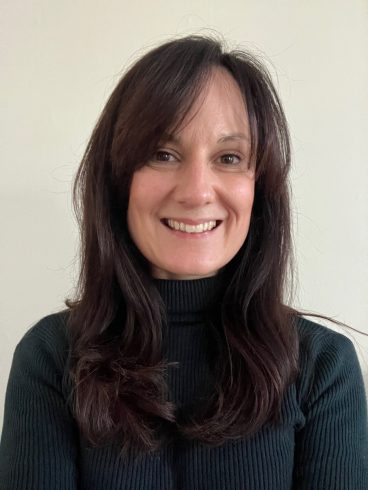
Michelle
Hi, I’m Michelle and I’m the Head of Health and Wellbeing. This is the perfect job it combines my love of history and making a difference to people-the team call be the “care bear”!
I’ve been working at the Museum since 2008, and originally started in the Community Participation Team, and there I found my passion for using things form the museum in creative and meaningful ways and how this could make a difference to people’s sense of wellbeing.
In 2014 I ‘branched away’ to create the new Health and Wellbeing Team, and since then we’ve grown and developed so much, and now have our very own space at Clover Cottage. Most of my experience is around supporting older adults and people living with dementia, but now the team has grown so much and we can offer support for people with a wide range of health issues.
Designing & creating Clover Cottage from start to finish was probably the highlight of my career so far; it was a real labour of love! But to see people’s reactions to it when they walk in, and all the conversations and laughter that start from things they’ve seen and do there, makes my day.
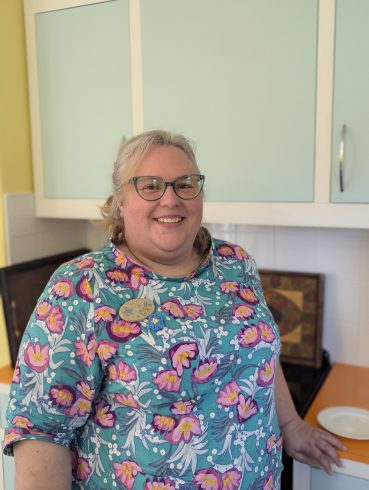
Cat
Hi, my name is Cat, I have the best job! I work in the health and wellbeing team at Beamish and have been here since September 2023 as a support worker. My love of Beamish and history came about at a young age on school visits, so now to be part of a team involved in the health and wellbeing movement in museums is a real gift and privilege.
I have over 20 years’ experience working in the care sector supporting adults with all types of health support needs. My current focus has been supporting adults with Mental health and effects of grief as both go hand in hand with the work we do with our participants, their Families and care partners.
I’m a bit of a vintage bus geek and a 50s girl at heart, so being based in the 1950s in our wonderfully unique cottage is great, it provides safety and the feeling of coming home every day to us as a team and our participants. I hope that we create a happy home with lots of laughter for our participants, their families and the team.

Beth
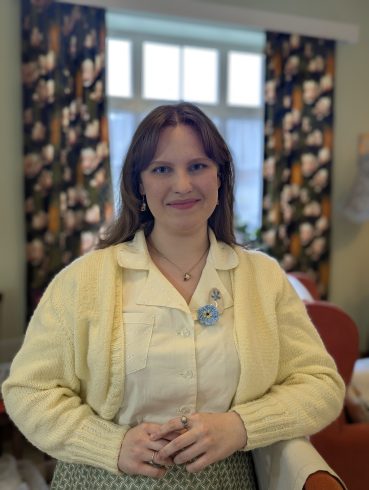
Elena
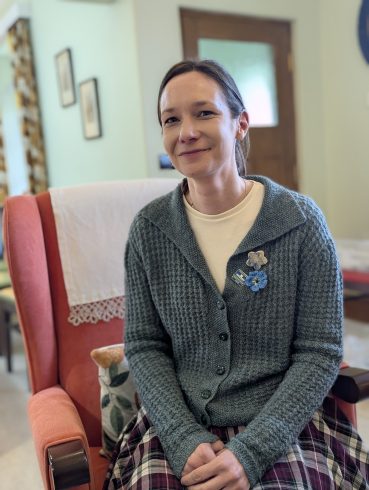
Kelly
Weekly Groups
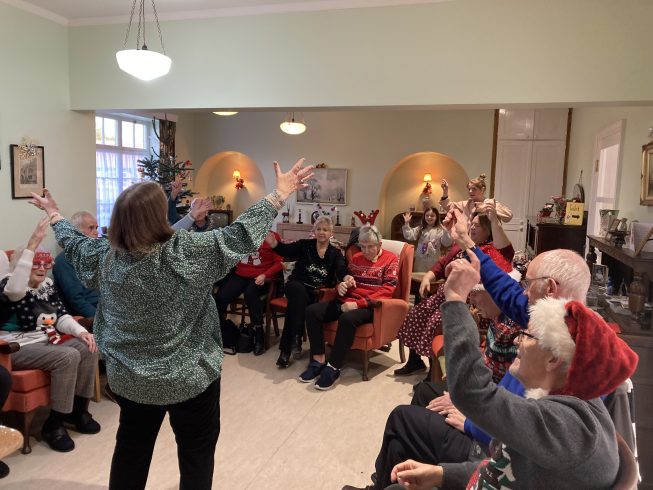
Our weekly Health and Wellbeing groups take place throughout the week at Beamish Museum. Each group offers a relaxed, welcoming space to connect with others, enjoy activities and support wellbeing.
Some groups are open to drop-in attendance, while others require a referral. These groups are free of charge. The only session we take a fee for is our Care Home Session booking space. Please see individual group details below.
Programme / Timetable
Make a referral
To join one of our Health and Wellbeing groups, we ask that everyone completes a referral form. Referrals can be made by individuals themselves, family members, carers or professionals.
The information you share helps us understand what you’re interested in and how we can best support you. All information is treated confidentially and in line with data protection regulations.
Once we receive your referral, a member of the Health and Wellbeing team will be in touch to discuss next steps.
Make a referral
Health and Wellbeing Work at Clover Cottage
Model of Practice
Through our model of practice we can help people feel connected, confident and supported. We work alongside individuals, families and professionals to promote wellbeing in a way that suits each person and respects their individuality.
All of us are trained Mental Health First Aiders and First Aiders, and are Positive Approach to Care (PAC) Champions. We are all trained to Level 3 in Safeguarding.
Within the team, we also bring a range of different skills and areas of interest. For example, Cat is a trained Grief First Aider, and each team member has experience working with different needs, including dementia, bereavement, loneliness and mental health.
We are committed to keeping our knowledge up to date and regularly attend training, conferences and workshops on a wide range of topics, including mental health, health policy and community wellbeing. We also learn a great deal from the professionals and organisations we work alongside.
The team is part of local and regional networks including the County Durham CREE Network and VONNE (Voluntary Organisations’ Network North East), helping us stay connected with the wider Voluntary, Community and Social Enterprise (VCSE) sector and keep our practice informed, reflective and up to date.
Projects at Beamish Health and Wellbeing
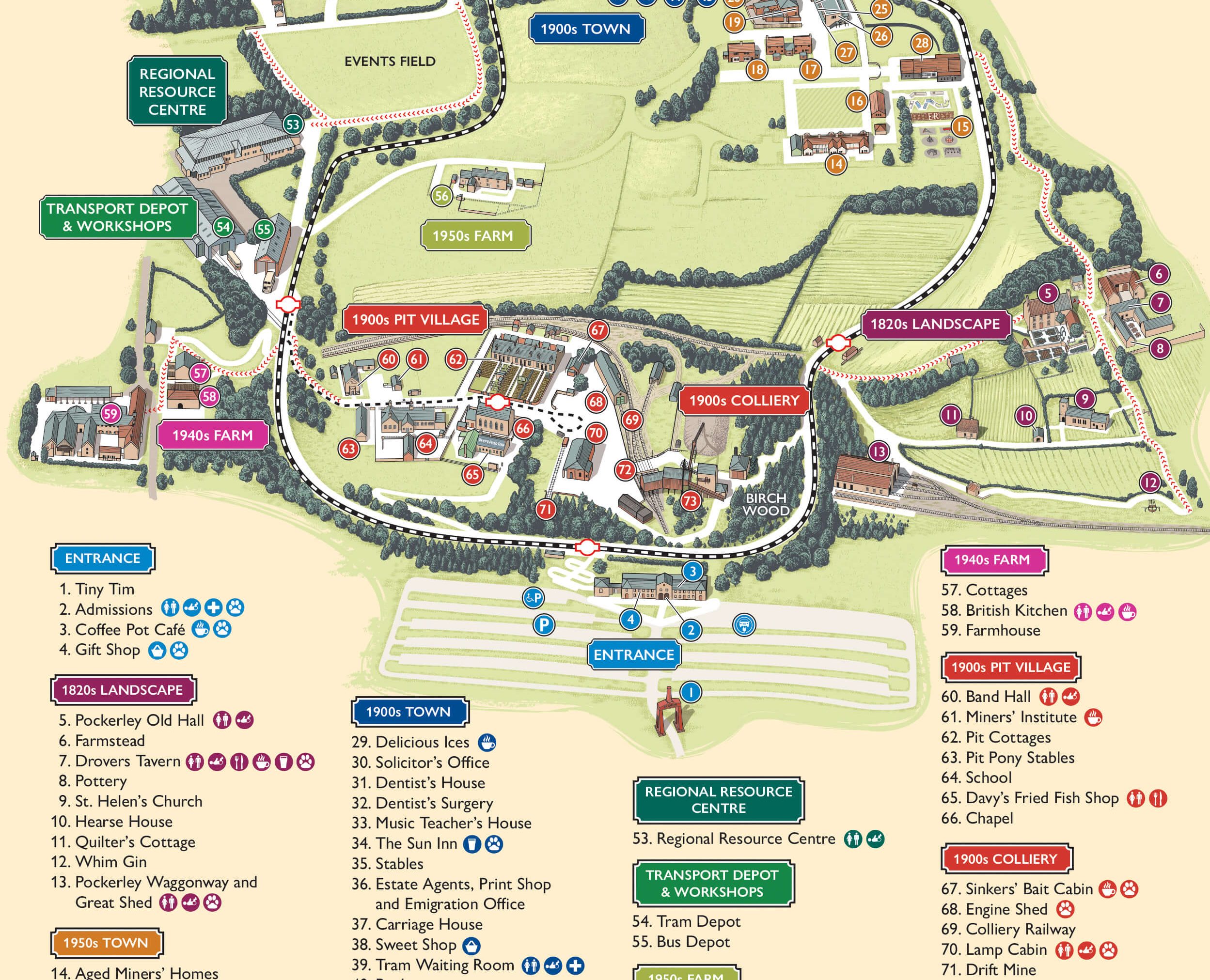
Explore Beamish with our very own map
Download map
Find your way around our museum.
Beamish is a large open-air museum set on a 350-acre site.