History Blog
Tales from the Rails Week Four: The General Strike (11th – 17th August)
13 August 2025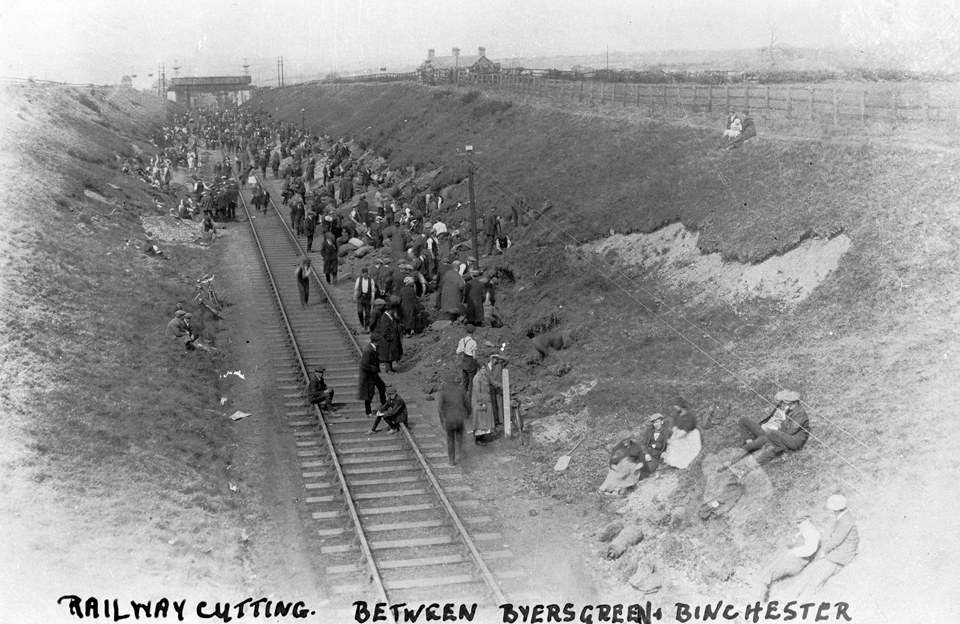
As part of our Tales from the Rails event, Jonathan Kindleysides, Head of Industry at the museum, highlights objects from the museum’s collection relating to this week’s theme of The General Strike.
During the post First World War years, the coal industry was struggling economically, with coal owners seeking to reduce wages and increase working hours to cut costs. Miners, represented by the Miners’ Federation of Great Britain, wanted to maintain their wages and working conditions.
The phrase “Not a penny off the pay, not an hour on the day” became a rallying cry among miners during the industrial disputes leading up to the 1926 General Strike.

Weardale Iron and Coal Co, Poster. Neg 25960
Miners were protesting against wage reductions, longer working hours, and poor working conditions. The phrase expressed their firm stance to safeguard their wages and working hours, refusing to accept any cuts or extensions.
The Durham Miners’ Association had been key in persuading the 1919 Royal Commission into Coal Mining, lead by Sir John Sankey, that the working hours of miners should be capped at seven hours per day. The Commission also recommended the nationalisation of the industry. Initially, the seven-hour day was adopted, however the calls for nationalisation were ignored.
In 1925 the Government introduced a subsidy to protect the coal miner’s minimum wage. In the same year, the Conservative Government, announced it was establishing a new Royal Commission to look into the problems of the coal industry. The Commission did not include any trade union representation and was made up of coal owners and industry officials. Publishing its report in early 1926, the Samuel Commission recommended the withdrawal of the subsidy.
On the 1st May 1926, when miners refused to accept the new pay and conditions offered by the coal owners, they were locked out of their collieries and their employment terminated.
On 3rd May 1926, in solidarity with the locked-out miners, one and three quarter million workers nationally took strike action at midnight.

Ryhope Soup Kitchen. Neg 5691
While the General Strike itself lasted for only nine days, the miners’ lockout continued for seven months, beginning in May and continuing until November 1926.
Many miners and their families faced severe hardship, including loss of income and increased poverty. The increased suffering and hardship within the coal fields was huge. Entire communities faced unemployment, declining living standards, and starvation.
Community support was key to the miners’ survival. Charitable organisations, churches, and local groups provided aid to affected families, but this support was limited and not sufficient to fully meet their needs.

Stanley Soup Kitchen. Neg 39914.
The Beamish collection has a wealth of information relating to the lockout, including photographs of the many soup kitchens set up to provide for miners and their families. Many of these were provided with food from the local Co-operative Societies.

Tie Pin sold for funds. 1974-152.
The museum’s collection also includes objects such as a small tie pin, sold for one shilling to raise funds for the relief effort.

Byers Green coal picking from railway embankment. Neg 5754.
As miners received coal as part of their pay, the lockout also cut off their means to heat their homes and cook their food. Poignant images exist in the collection of men, women and children picking over railway embankments and pit heaps to find any bits of coal to take home to burn. At Beamish, there was a small drift mine dug by locked out miners, this was called the Mangle Drift. In the photo, men can be seen hauling coal out of the ground in a tin bath.

Mangle Drift Beamish. Neg 11960.
Ultimately, the 1926 lockout ended with the defeat of the miners and the General Strike, leading to a return to difficult working conditions and a setback for organised labour, but it also became a symbol of workers’ resistance. In a final image from the collection, a poster from the Weardale Iron and Coal Company, the results are plain to see. Workers could apply to go back to work if they agreed to the reduced pay and increased hours.
This summer we’re marking Rail 200 by exploring the importance of the railway throughout different time periods during Tales from the Rails. Each week we will be focusing on a different theme.
Visit this week (11th – 17th August) to learn about the General Strike and the derailment of a train on the Flying Scotsman line.
Next week (18th – 24th August), head to The 1940s Farm to learn about the role that rail transport played in safely transporting Evacuees during the Second World War.
Use your Beamish Unlimited Pass or Friends of Beamish membership to enjoy Tales from the Rails. Pay once and visit free for a year!
Related articles
News
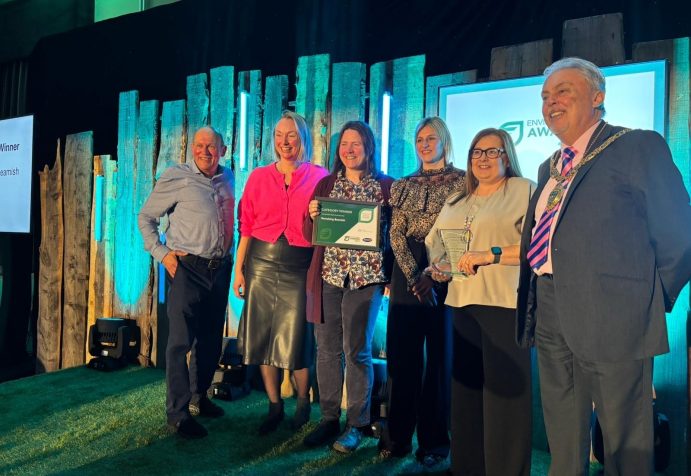
Beamish Museum awarded Sustainable Built Environment Award
The County Durham Environment Awards, organised by the Environment and Climate Change Partnership, recognise the great work and commitment towards caring for the natural and built environment through sustainable innovation, design and volunteering across the county’s communities and businesses.
- 20 February 2026
Transport Blog
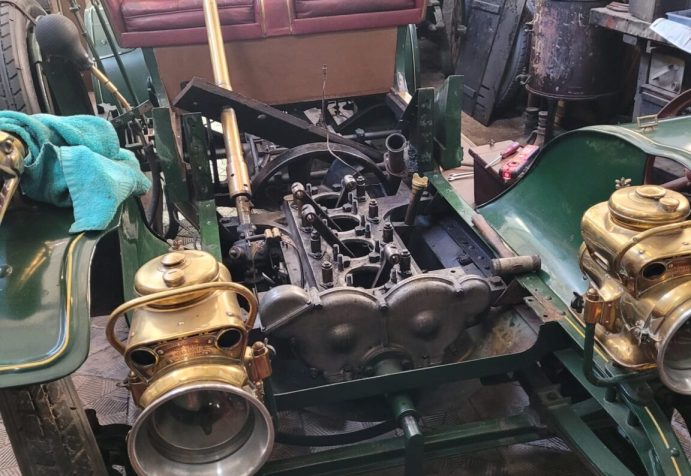
Armstrong Whitworth Overhauls
I thought reporting of progress on the two Armstrong Whitworth projects deserved their own post – partly as it may make them easier to find for anyone searching online for relevant material as we understand that there are a couple of projects out there (globally) to restore an AW car and potentially an AW stationary engine.
- 19 February 2026
News
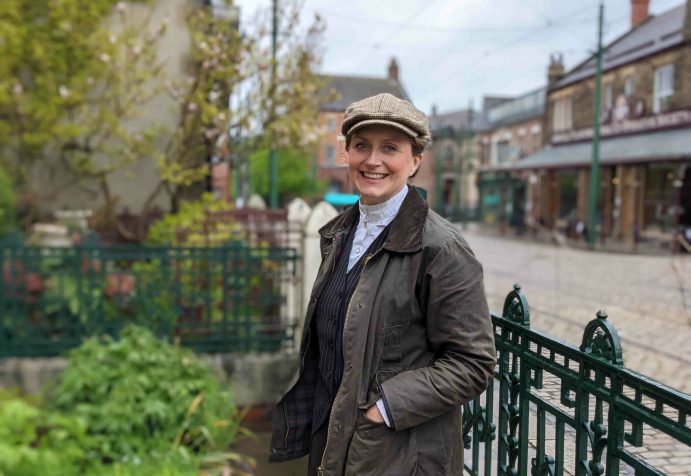
Beamish Museum’s Chief Executive Recognised in Prestigious North East Business Titans List
Rhiannon Hiles, Chief Executive at Beamish Museum, has been named a North East Business Titan, in recognition of her outstanding leadership, significant impact, and contribution to the regional business community.
- 16 February 2026